
- Empty cart.
- Continue Shopping

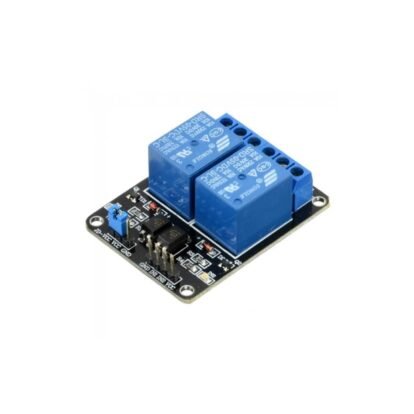
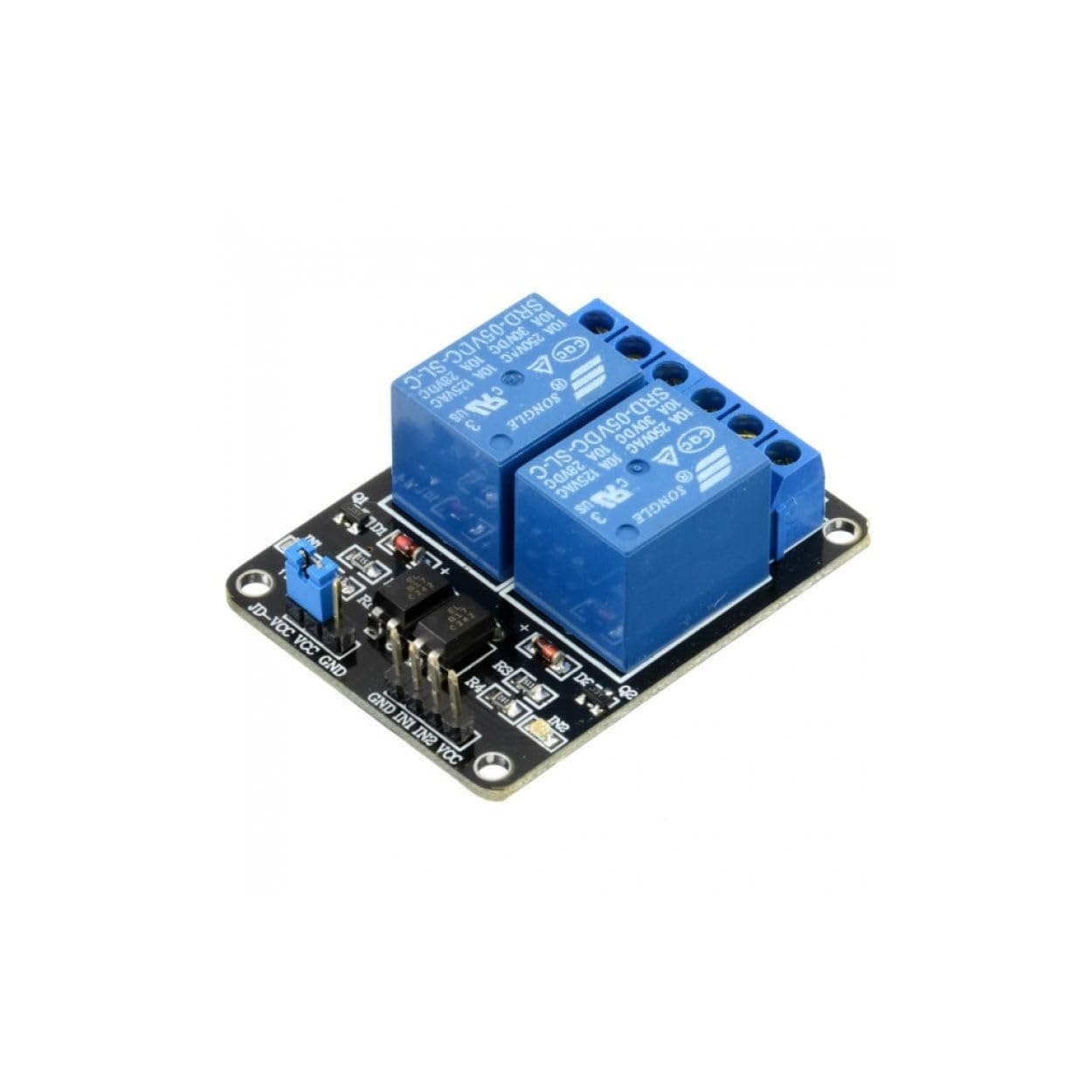

2 Channel 5V Relay Module Board with Optocoupler Isolation
₹235.00Current price is: ₹235.00. Original price was: ₹276.00.
10 in stock (can be backordered)
Add to cart
Buy Now

2 Channel 5V Relay Module Board with Optocoupler Isolation
The 2 Channel 5V Relay Module Board with Optocoupler Isolation is an essential power management component for makers, engineers, and hobbyists looking to bridge the gap between low-power microcontrollers and high-power electrical appliances. Whether you are developing a complex home automation system, an industrial control panel, or an interactive DIY electronics project, this dual-channel relay board offers a safe, reliable, and highly efficient way to manage heavy electrical loads. Designed with robust circuitry and built-in optical isolation, it guarantees that your sensitive control electronics remain completely protected from high-voltage spikes, noise, and electromagnetic interference.
Key Features and Specifications
This high-performance module is engineered to handle demanding switching tasks smoothly. Below are the core technical specifications that make this 2 Channel 5V Relay Module Board a standout choice for your prototyping toolkit:
Dual-Channel Control: Independently manage two separate electrical circuits or high-power devices using a single compact module.
High Switching Capacity: Each individual channel supports switching heavy loads up to 10A at 250VAC or 10A at 30VDC, giving you the flexibility to control household appliances, motors, and lighting arrays.
Optocoupler Isolation: Equipped with onboard photocouplers that isolate the control side from the relay contacts. This optical barrier shields your microcontroller from reverse currents and inductive kickbacks.
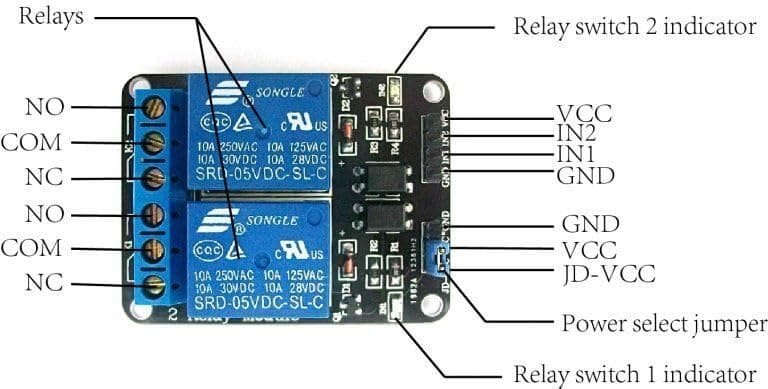
LED Status Indicators: Features bright, dedicated onboard LEDs for each channel, providing immediate visual confirmation of the relay’s active or inactive state.
Flexible Triggering: Supports customizable trigger configurations via a built-in power selection jumper, adapting seamlessly to your specific circuit logic.
Enhancing Safety with True Optical Isolation
When dealing with high-voltage AC circuits, circuit protection is paramount. The standout attribute of this specific 2 Channel 5V Relay Module Board is its physical separation of control signals and load lines. Standard relay boards without optocouplers run the risk of sending hazardous voltage spikes backward into your microcontroller if a relay coil fails or arcs.
By utilizing internal light-emitting diodes and photo-transistors, the 2 Channel 5V Relay Module Board transmits logic signals purely through light. Your Arduino, ESP32, or Raspberry Pi never makes direct electrical contact with the high-voltage load side, dramatically extending the lifespan of your development boards and ensuring safe operation under heavy usage conditions.
Pin Configuration and Wiring Guide
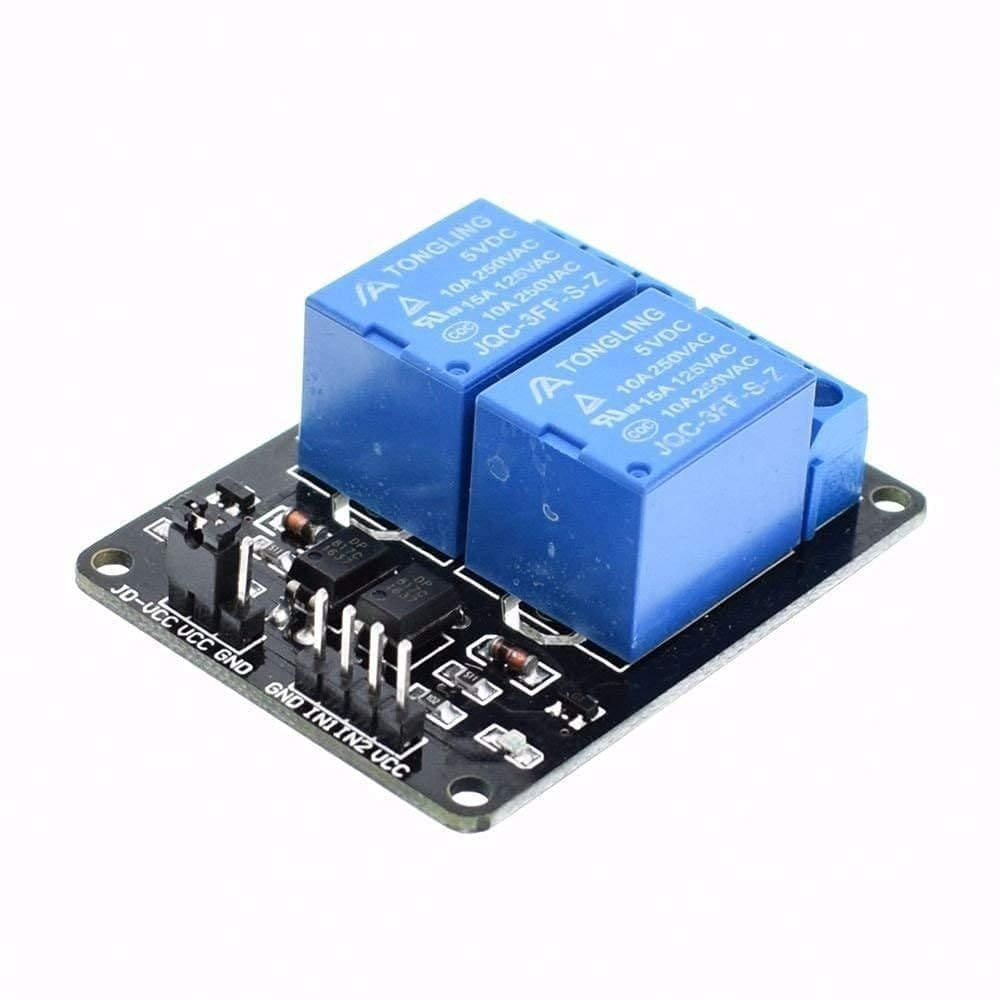
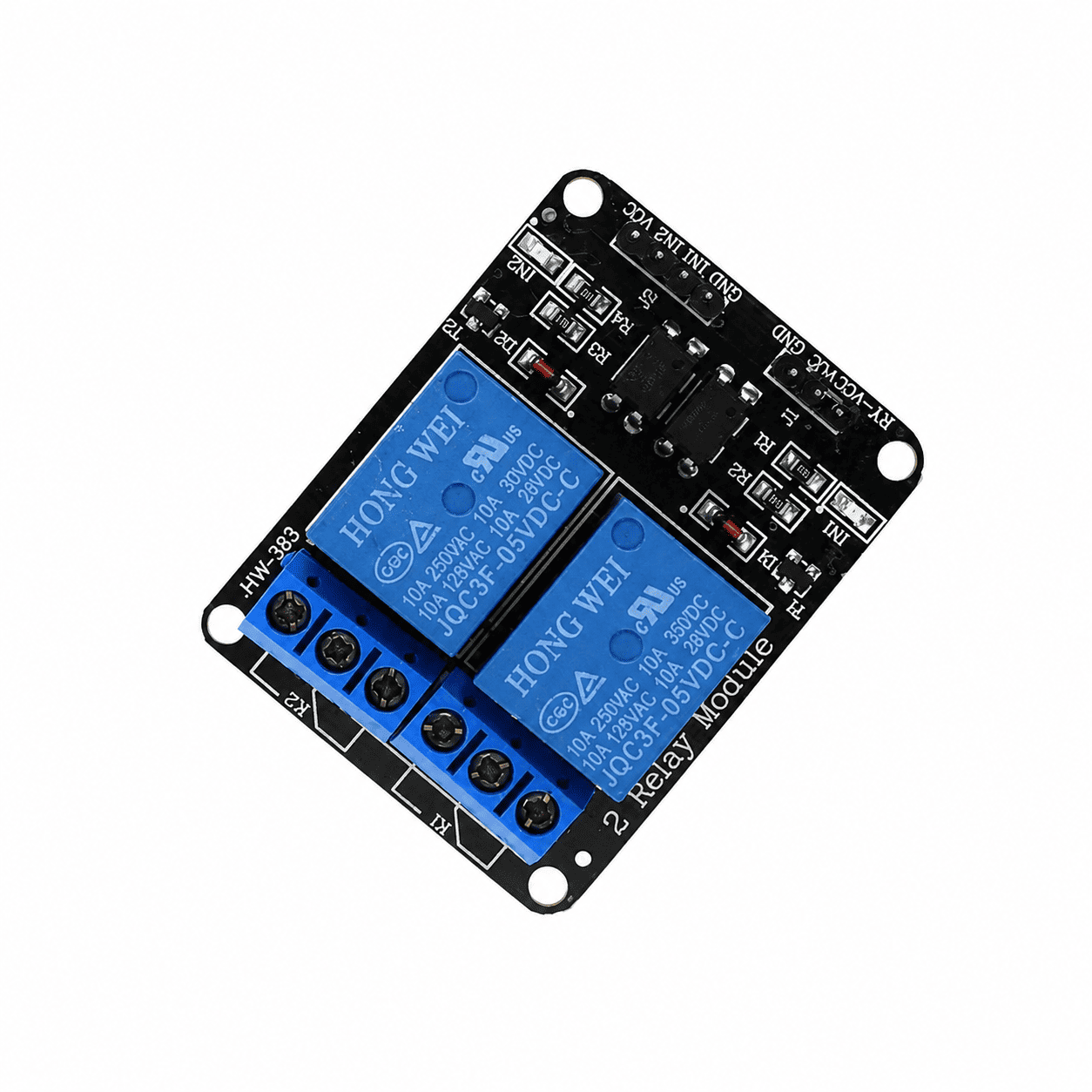
Setting up your 2 Channel 5V Relay Module Board is highly intuitive, thanks to the standardized pin layout. The input side features four male header pins: VCC (5V Power Supply), GND (Ground), IN1 (Channel 1 Logic Trigger), and IN2 (Channel 2 Logic Trigger).
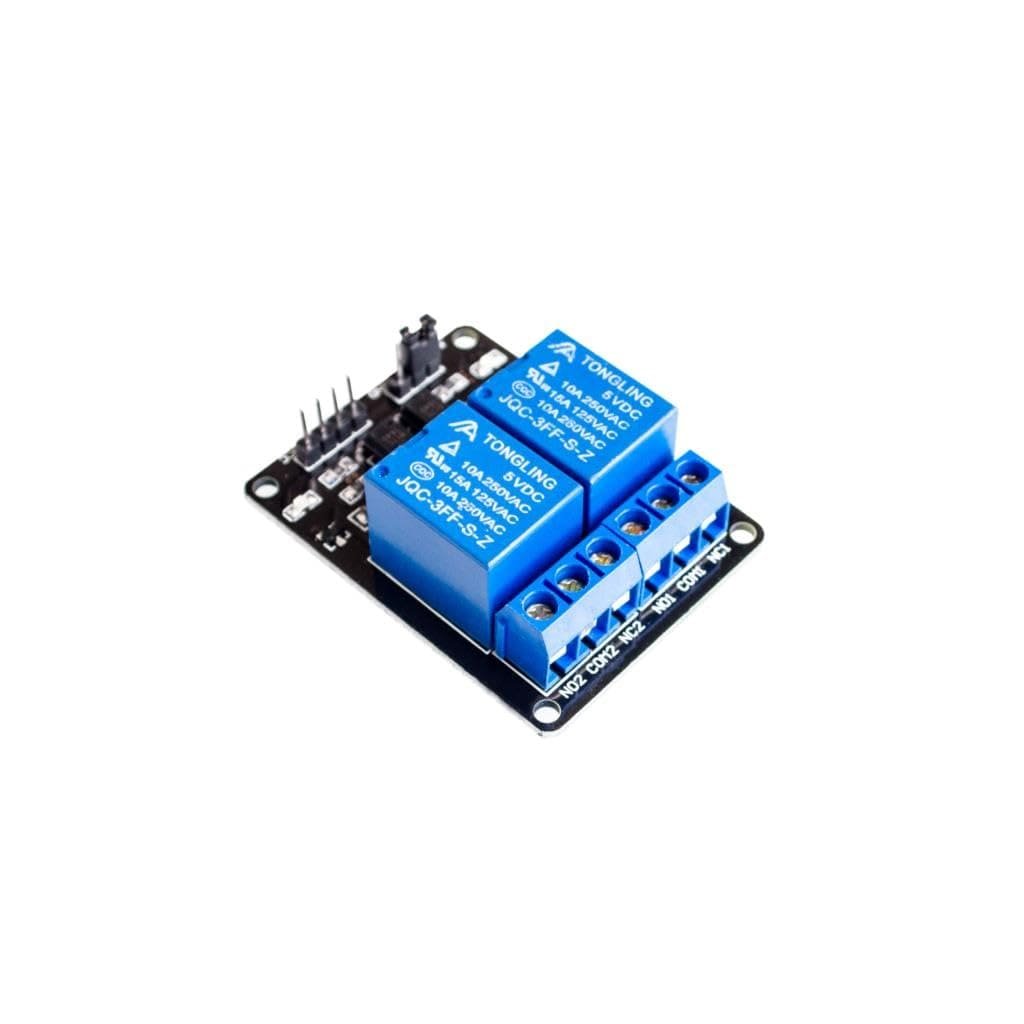
COM (Common Terminal): The central line where your input power source connects.
NO (Normally Open): The circuit stays disconnected until a logic signal triggers the relay to close the loop.
NC (Normally Closed): The circuit stays continuously connected by default and breaks open only when triggered.
Seamless Microcontroller Integration
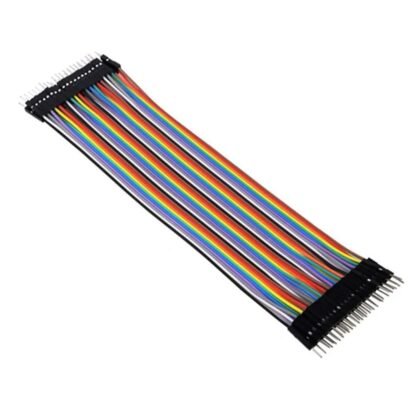
Integrating this premium 2 Channel 5V Relay Module Board into your existing projects is incredibly straightforward. It features standard male pin headers that interface directly with common jumper wires. The input pins require a standard 5V power supply and low-current logic signals, making it natively compatible with popular microcontrollers.
If your project demands even more automation channels, you can easily scale up your system using a 4 Channel 5V Relay Module Board to handle multiple appliances simultaneously.
Versatile Applications in DIY Electronics
In automated agricultural projects, it can cycle water pumps, hydroponic nutrient feeders, and grow lights based on sensor feedback. For robotics enthusiasts, it provides the rugged power handling needed to control high-current DC motors or linear actuators that standard microcontroller pins simply cannot drive directly.
| Weight | 0.25 kg |
|---|---|
| Dimensions | 5.1 × 3.8 × 1.6 cm |

Reviews
There are no reviews yet.