
- Empty cart.
- Continue Shopping
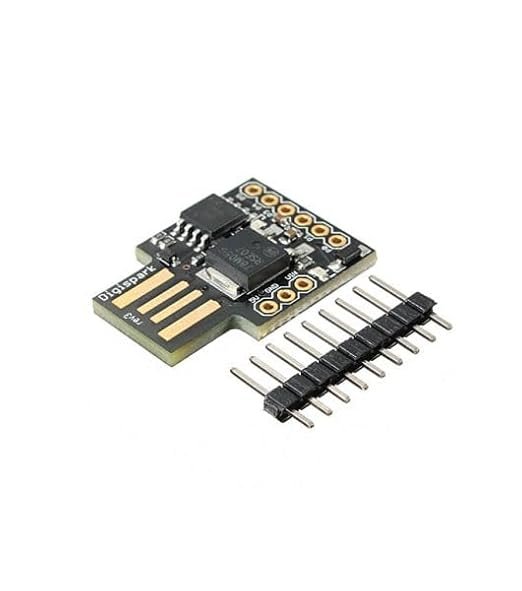
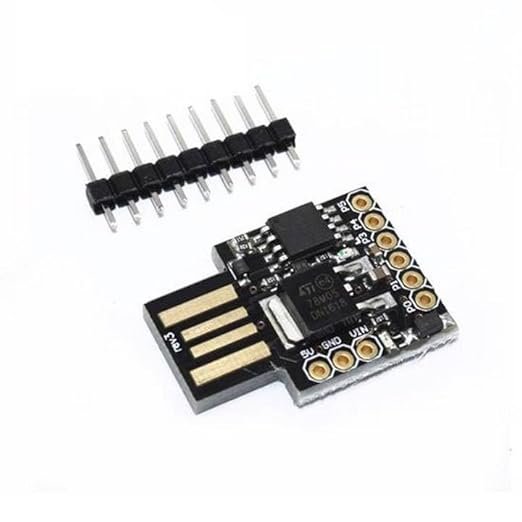
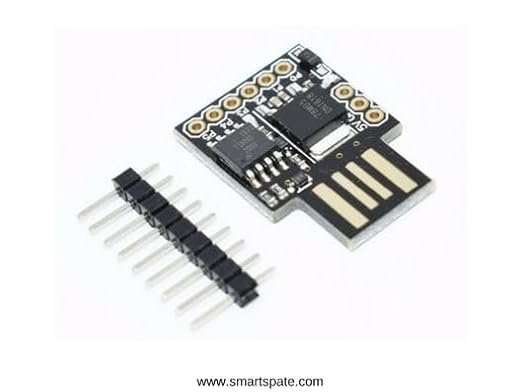
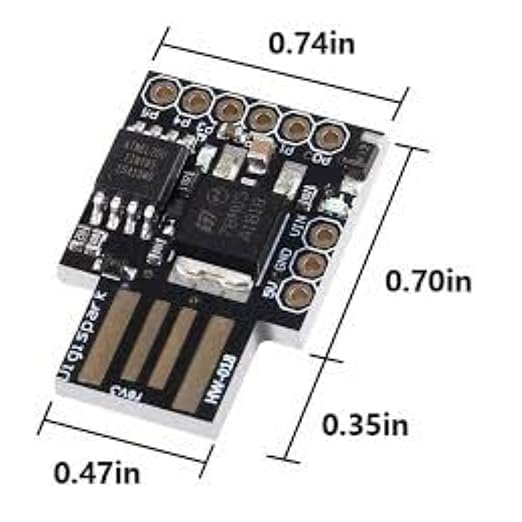
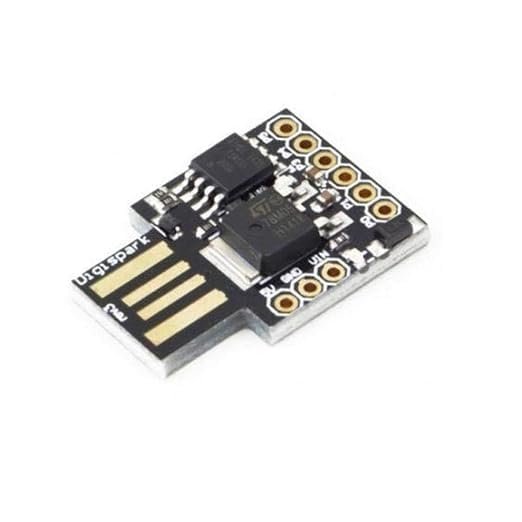
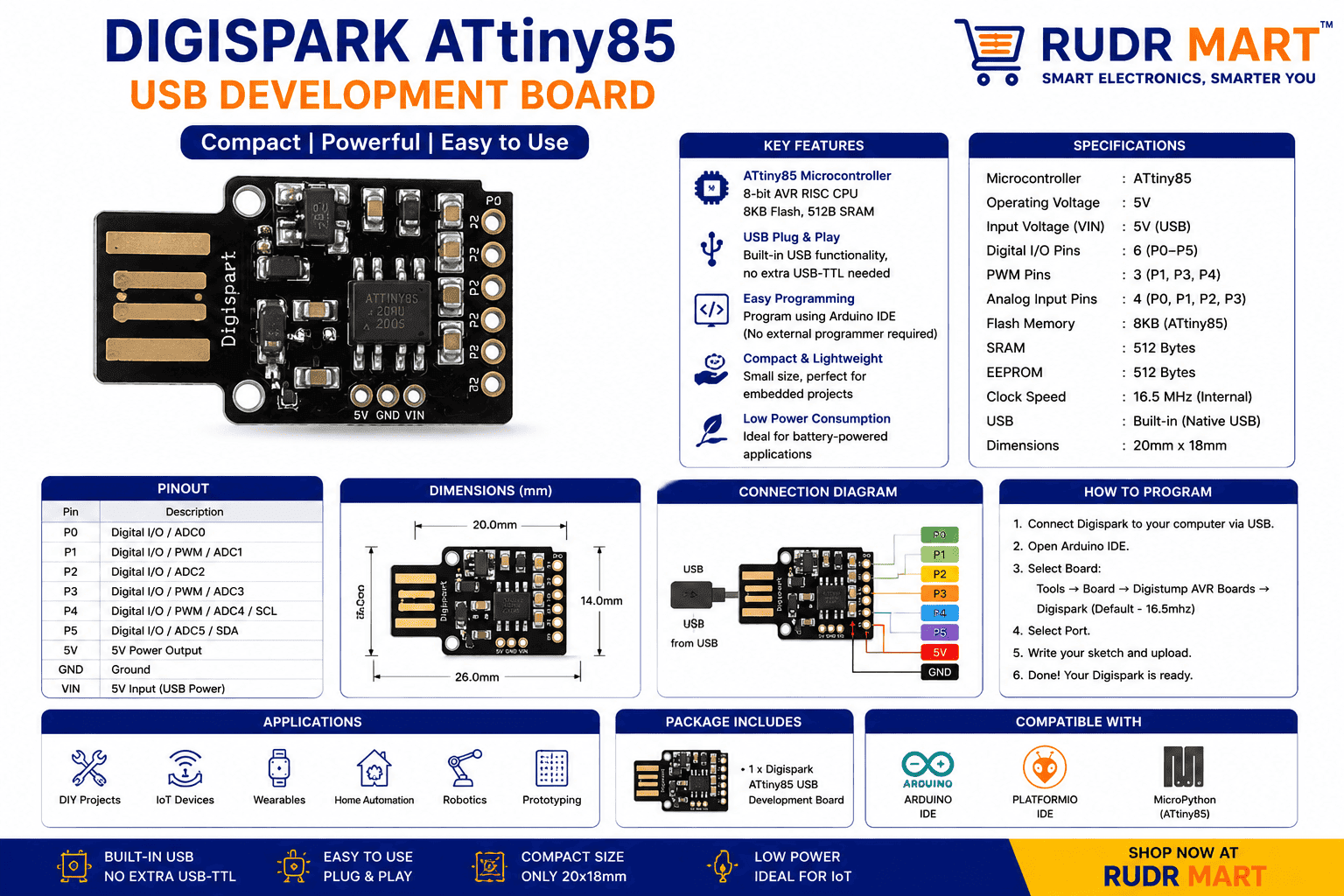
Digispark ATtiny85 USB Development Board
₹415.00Current price is: ₹415.00. Original price was: ₹525.00.
4 in stock
Add to cart
Buy Now

You may also like…
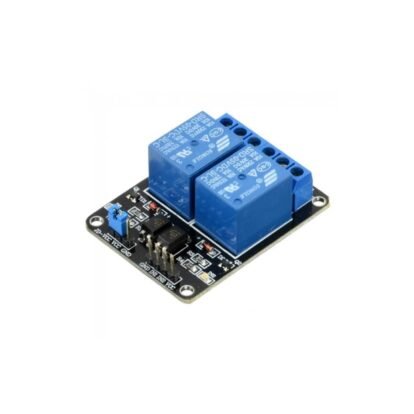
2 Channel 5V Relay Module Board with Optocoupler Isolation
₹223.00Current price is: ₹223.00. Original price was: ₹349.00.Sale!Hot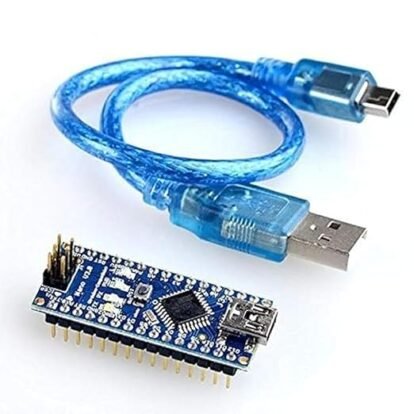
Nano V3.0 Development Board ATmega328P
₹327.00Current price is: ₹327.00. Original price was: ₹579.00.Sale!Hot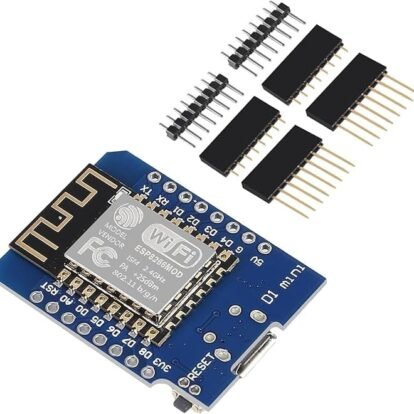
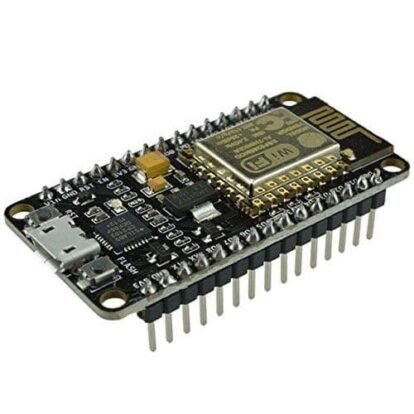
ESP8266 ESP-12F NodeMCU Mini D1 WiFi Development Board
₹465.00Current price is: ₹465.00. Original price was: ₹619.00.Sale!Hot
Infrared IR Proximity Sensor Module
₹165.00Current price is: ₹165.00. Original price was: ₹197.00.Sale!Hot
LM2596/LM 2596 DC to DC Buck Converter
₹239.00Current price is: ₹239.00. Original price was: ₹456.00.Sale!HotDigispark ATtiny85 USB Development Board
The Digispark ATtiny85 USB Development Board is an ultra-compact and efficient microcontroller board designed for embedded systems, IoT devices, wearable electronics, and DIY automation projects. It is based on the ATtiny85 AVR microcontroller and provides a simple USB interface for direct programming from a computer.
This board is widely used by students, hobbyists, and engineers who need a small yet powerful solution for fast prototyping. It eliminates the need for external programmers, making development faster and more convenient.
The Digispark ATtiny85 USB Development Board is ideal for USB gadgets, smart controllers, automation systems, and lightweight robotics applications where size and power efficiency are critical.
Key Features
Ultra-Compact Design
The Digispark ATtiny85 USB Development Board is extremely small, making it perfect for wearable electronics and embedded applications.
USB Direct Programming
Built-in USB interface allows direct programming without external hardware programmers.
ATtiny85 Microcontroller
Powered by a reliable 8-bit AVR ATtiny85 chip for efficient low-power operation.
Multiple GPIO Pins
Provides configurable digital and analog-capable pins for sensor and actuator interfacing.
PWM Support
Supports pulse width modulation for LED control, motor control, and signal generation.
Low Power Consumption
Designed for energy-efficient applications including portable and battery-powered systems.
How It Works
The Digispark ATtiny85 USB Development Board executes instructions uploaded via Arduino IDE or compatible development tools. Once programmed, the ATtiny85 microcontroller processes inputs from sensors and controls outputs such as LEDs, relays, and motors.
The onboard USB interface enables direct communication with a computer, simplifying development and debugging.
External reference:
https://en.wikipedia.org/wiki/ATtiny_microcontroller
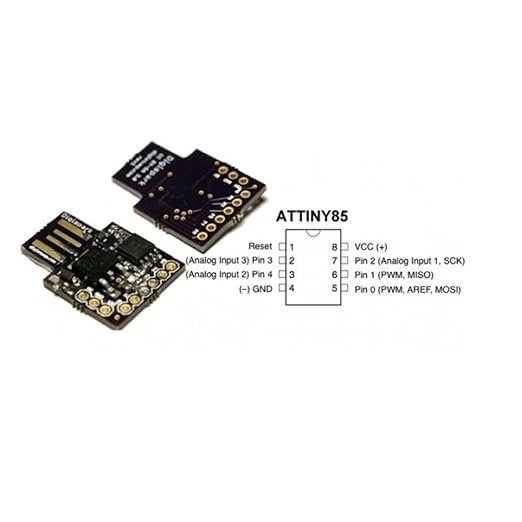
Pin Configuration Overview
Power Pins
- VCC: 5V supply via USB or external input
- GND: Ground connection
- VIN: External power input (7V–12V)
Digital Pins
- P0 to P5: Configurable input/output pins
PWM Pins
- P0, P1, P4: PWM-capable pins for analog-style output control
Analog Pins
- A1 to A3 (mapped): Used for reading analog sensor inputs
Compatibility
Arduino IDE
The Digispark ATtiny85 USB Development Board is compatible with Arduino IDE using the Digispark board package.
https://www.arduino.cc/reference/en/
AVR Toolchain & PlatformIO
Supports advanced programming using AVR toolchains and PlatformIO for optimized embedded development.
IoT and Embedded Systems
Ideal for small-scale IoT projects, USB devices, and wearable automation systems.
Applications
USB HID devices (keyboard and mouse emulation)
Wearable electronics and smart gadgets
IoT sensor nodes
Automation controllers
Smart lighting systems
Mini robotics projects
Security and access systems
Educational electronics kits
Technical Specifications
| Parameter | Specification |
|---|---|
| Microcontroller | ATtiny85 |
| Architecture | 8-bit AVR |
| Operating Voltage | 5V DC |
| Flash Memory | 8 KB |
| SRAM | 512 bytes |
| EEPROM | 512 bytes |
| Clock Speed | 16.5 MHz |
| Digital I/O Pins | 6 |
| PWM Pins | 3 |
| Communication | USB, I2C, SPI |
Frequently Asked Questions
What is Digispark ATtiny85 used for?
It is used for small embedded projects like USB devices, IoT systems, automation, and wearable electronics.
Does it need an external programmer?
No, it has a built-in USB interface for direct programming.
Is it compatible with Arduino IDE?
Yes, it works with Arduino IDE using the Digispark board package.
Can it be used for IoT projects?
Yes, it is suitable for small IoT and automation applications.
Is it good for beginners?
Yes, it is beginner-friendly and widely used in educational projects.
Reviews
There are no reviews yet.