
- Empty cart.
- Continue Shopping
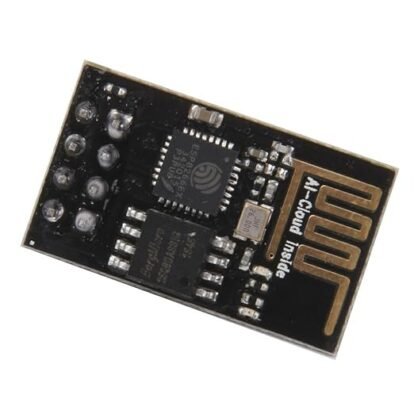
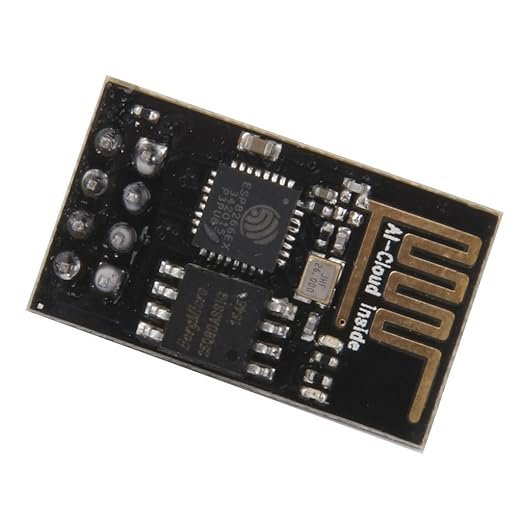
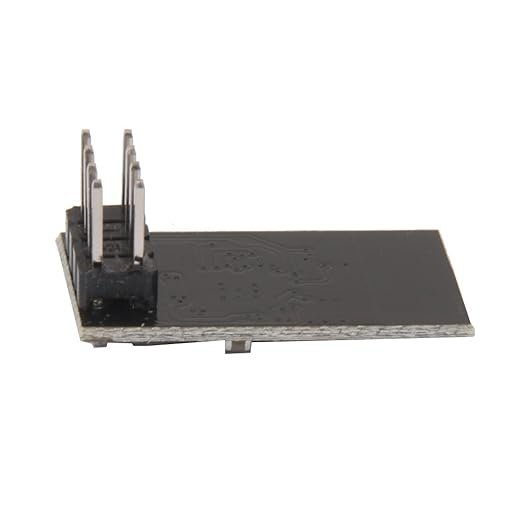
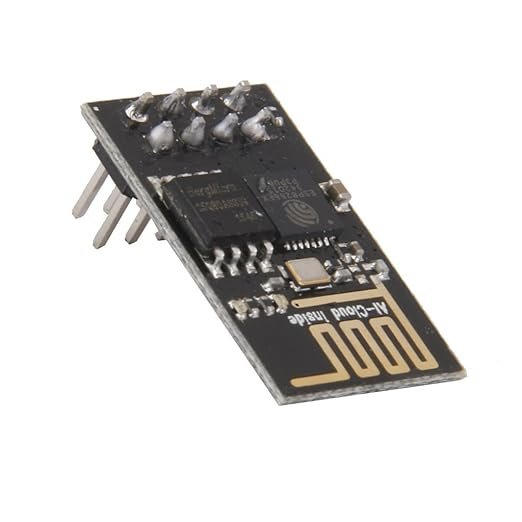
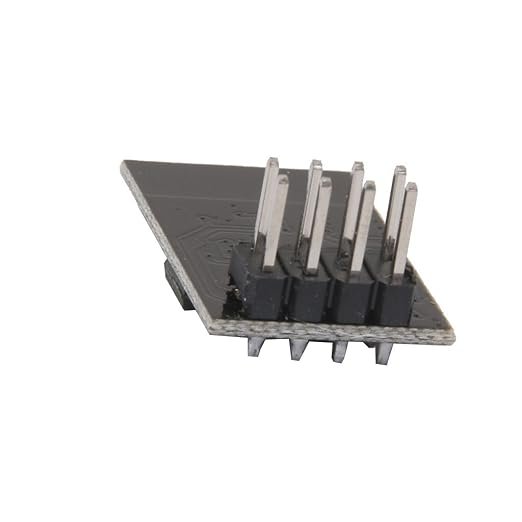
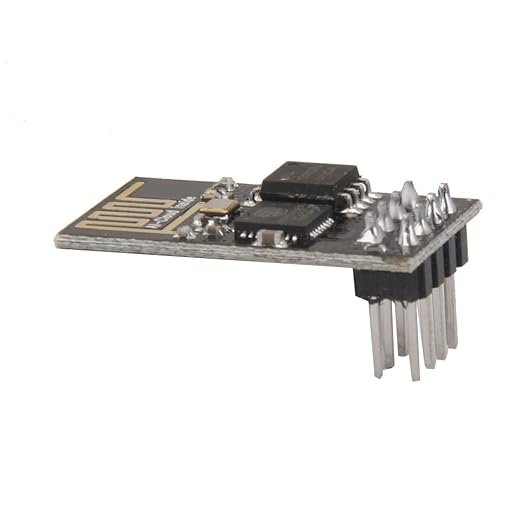
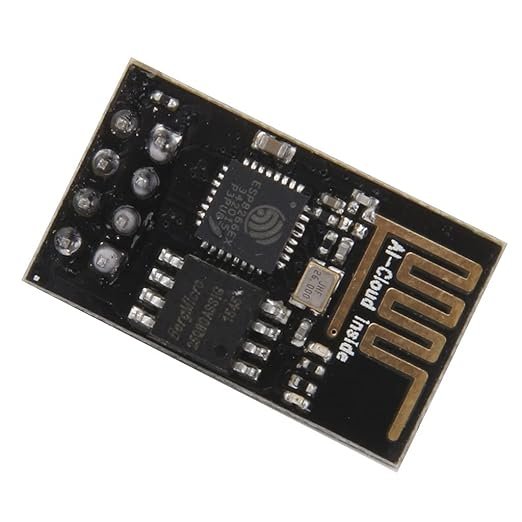
ESP8266 ESP-01 WiFi Transceiver Module Wireless
₹310.00Current price is: ₹310.00. Original price was: ₹499.00.
5 in stock
Add to cart
Buy Now

ESP8266 ESP-01 WiFi Transceiver Module: Compact Wireless Powerhouse
Bring reliable, seamless internet connectivity to your microcontrollers with the ESP8266 ESP-01 WiFi Transceiver Module. Widely recognized as one of the most cost-effective and compact wireless solutions on the market, this mini communication board is a staple for engineers, hobbyists, and developers working in the Internet of Things (IoT) landscape. Despite its small footprint, it packs a massive punch, allowing you to bridge standalone hardware directly to local routers, web servers, and cloud databases.
At its core, the module features the highly integrated ESP8266EX system-on-a-chip (SoC). Unlike traditional network components that require heavy processing assistance from a host microcontroller, this intelligent wireless board handles the entire TCP/IP network stack internally. By taking care of complex network processing right on the chip, it leaves your primary controller’s memory and processor completely free to run your application code flawlessly, preventing system lag and communication bottlenecks.
Key Features of the ESP-01 Wireless Module
Building stable smart hardware requires components engineered for efficiency and performance. The ESP8266 ESP-01 WiFi Transceiver Module offers an exceptional set of technical features optimized for modern development:
Full TCP/IP Stack Integration: Automatically processes essential network protocols, including TCP, UDP, and HTTP, directly in the hardware layer.
Onboard Trace PCB Antenna: Features a precision-engineered 2.4GHz antenna built right onto the board, providing great signal range without external wiring.
Versatile Working Modes: Supports Station mode (connecting to a router), Access Point mode (hosting its own network), and dual AP+STA mode for advanced mesh configurations.
Low Power Consumption: Advanced power-management architecture includes energy-saving sleep modes, making it ideal for battery-operated wireless sensor networks.
Standard Serial Interface: Utilizes a straightforward UART serial interface with simple AT commands, making it universally adaptable to almost any processing system.
Simple Pinout and Hardware Integration
Connecting the ESP8266 ESP-01 WiFi Transceiver Module to your development rig is incredibly easy. It features a compact 2×4 male header layout that easily connects via jumper wires or custom PCB sockets.
The standard 8-pin layout consists of:
GND: Ground connection.
TX: Transmit data pin for serial UART communication.
GPIO2: General-purpose digital input/output pin.
CH_PD / EN: Chip Enable pin (must be pulled high to activate the module).
GPIO0: General-purpose input/output pin (pulled low to enter flash firmware mode).
RST: External hardware reset pin.
RX: Receive data pin for serial UART communication.
VCC: Power input (Requires strictly 3.3V; supplying 5V will damage the board).
Universal Microcontroller Compatibility
Whether you are designing a rapid prototype on a breadboard or assembling a commercial device, this module serves as a universal bridge to wireless communication. It interfaces effortlessly with today’s leading platforms:
Seamless Integration with Arduino Boards
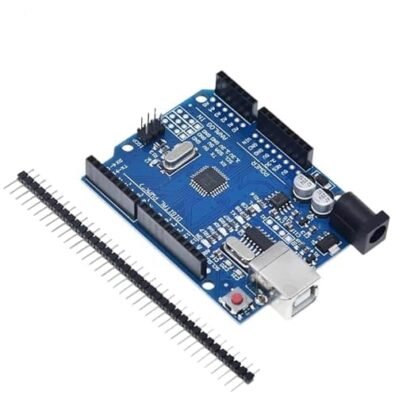
Standard Arduino UNO or Nano boards lack native internet capabilities. By linking the ESP-01 module via the serial pins, you can transform a basic microcontroller into a powerful web server, an automated email notifier, or a remote-controlled system with just a few lines of code.
Smart Interfacing with STM32 and AVR
For advanced developers utilizing STM32 ARM Core or AVR systems, the ESP-01 provides a robust, low-cost physical layer to transmit telemetry data or receive real-time operational override instructions over standard wireless local area networks (LAN).
Versatile Applications in Smart Environments
The flexible nature of the ESP8266 ESP-01 WiFi Transceiver Module makes it an incredibly versatile component for an array of automated technical environments:
Smart Home Automation: Build custom wireless switches, smart plugs, and smart lighting systems that respond instantly to smartphone commands or voice assistants.
Wireless Sensor Networks: Deploy remote temperature, humidity, or motion sensors around home or industrial facilities to stream live environmental data over the internet.
Robotics & Remote Control: Create internet-controlled rovers, drones, or mechanical arms capable of being operated from a local web dashboard anywhere in the building.
Industrial IoT Monitoring: Install remote telemetry bridges on standard industrial machinery to log uptime data directly to secure cloud services.



Reviews
There are no reviews yet.