
- Empty cart.
- Continue Shopping
Sale!Hot
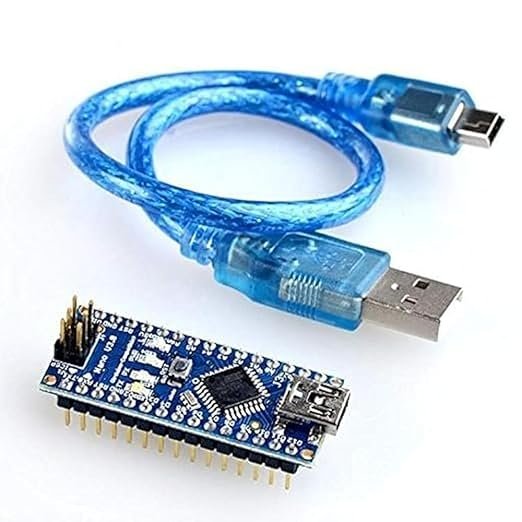
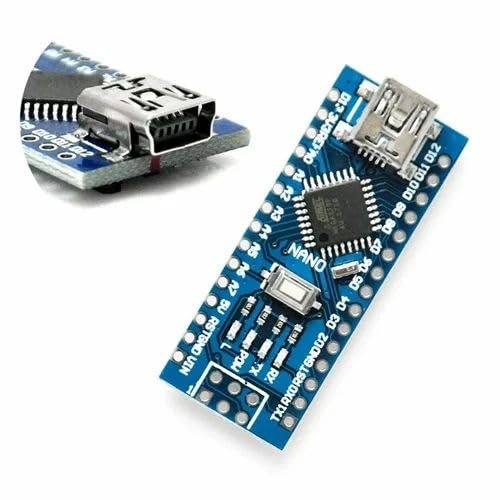
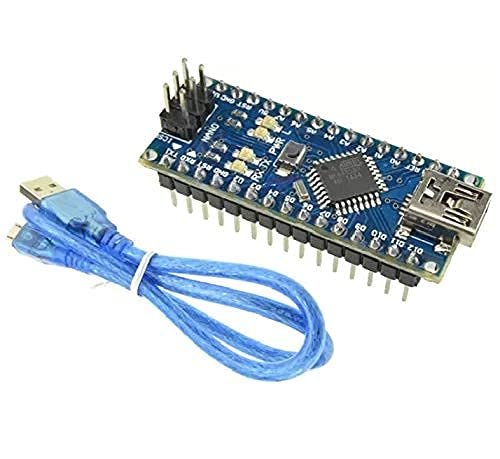
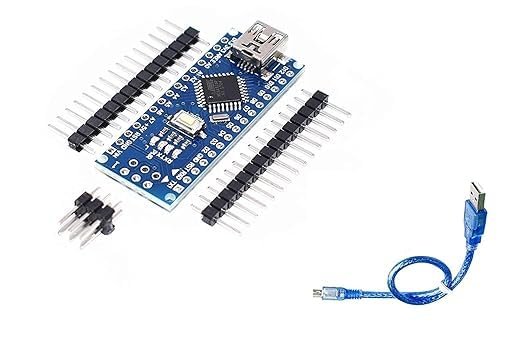
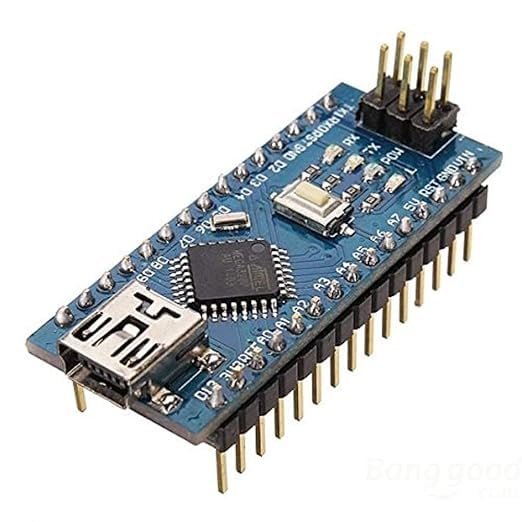
Nano V3.0 Development Board ATmega328P
₹327.00Current price is: ₹327.00. Original price was: ₹579.00.
Out of stock

You may also like…
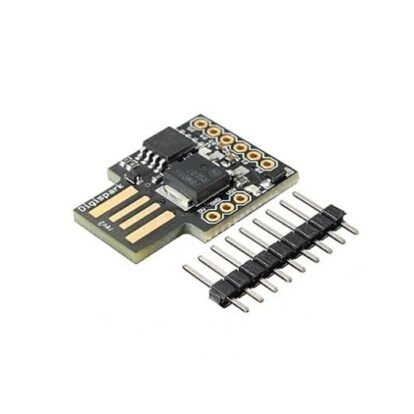
Digispark ATtiny85 USB Development Board
₹415.00Current price is: ₹415.00. Original price was: ₹525.00.Sale!
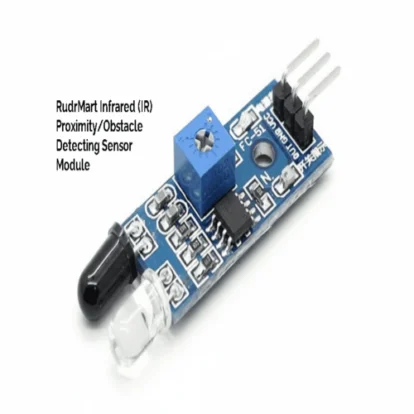
Infrared IR Proximity Sensor Module
₹165.00Current price is: ₹165.00. Original price was: ₹197.00.Sale!Hot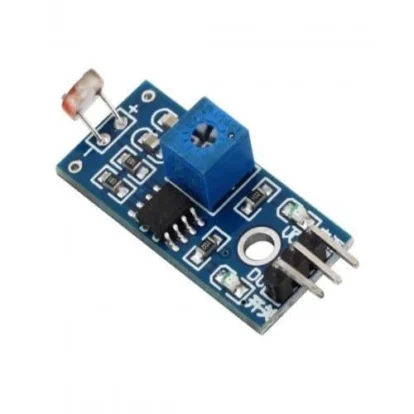
Nano V3.0 Development Board ATmega328P
The Nano V3.0 Development Board ATmega328P is a compact and powerful microcontroller board designed for embedded systems, robotics, and IoT development. It is based on the ATmega328P 8-bit AVR architecture and provides the same core functionality as larger Arduino boards in a much smaller form factor.
This board is ideal for students, engineers, and developers who need a space-efficient solution for prototyping smart electronic systems. It supports real-time processing, multiple I/O interfaces, and seamless integration with sensors and modules used in automation projects.
The Nano V3.0 Development Board ATmega328P is widely used in robotics, smart devices, data logging systems, and educational electronics projects due to its reliability and ease of use.
Key Features
Compact Arduino-Compatible Design
The Nano V3.0 Development Board ATmega328P offers full Arduino compatibility in a small breadboard-friendly layout.
ATmega328P Microcontroller
Powered by a reliable 8-bit AVR processor running at 16 MHz for stable and efficient performance.
USB Interface Support
Includes USB Mini-B interface for easy programming, debugging, and power supply.
Multiple I/O Pins
Provides digital and analog pins for connecting sensors, actuators, and communication modules.
PWM Output Support
Six PWM-enabled pins allow control of motors, LEDs, and servo systems.
Onboard Voltage Regulation
Built-in regulator ensures stable 5V operation from external power sources.
How It Works
The Nano V3.0 Development Board ATmega328P executes instructions written in Arduino IDE or other programming environments. It processes input signals from sensors, executes logic operations, and controls output devices such as motors, relays, and displays.
The onboard ATmega328P microcontroller handles all computation tasks while external components expand functionality for real-world applications.
External reference:
https://en.wikipedia.org/wiki/ATmega328
Pin Configuration Overview
Power Pins
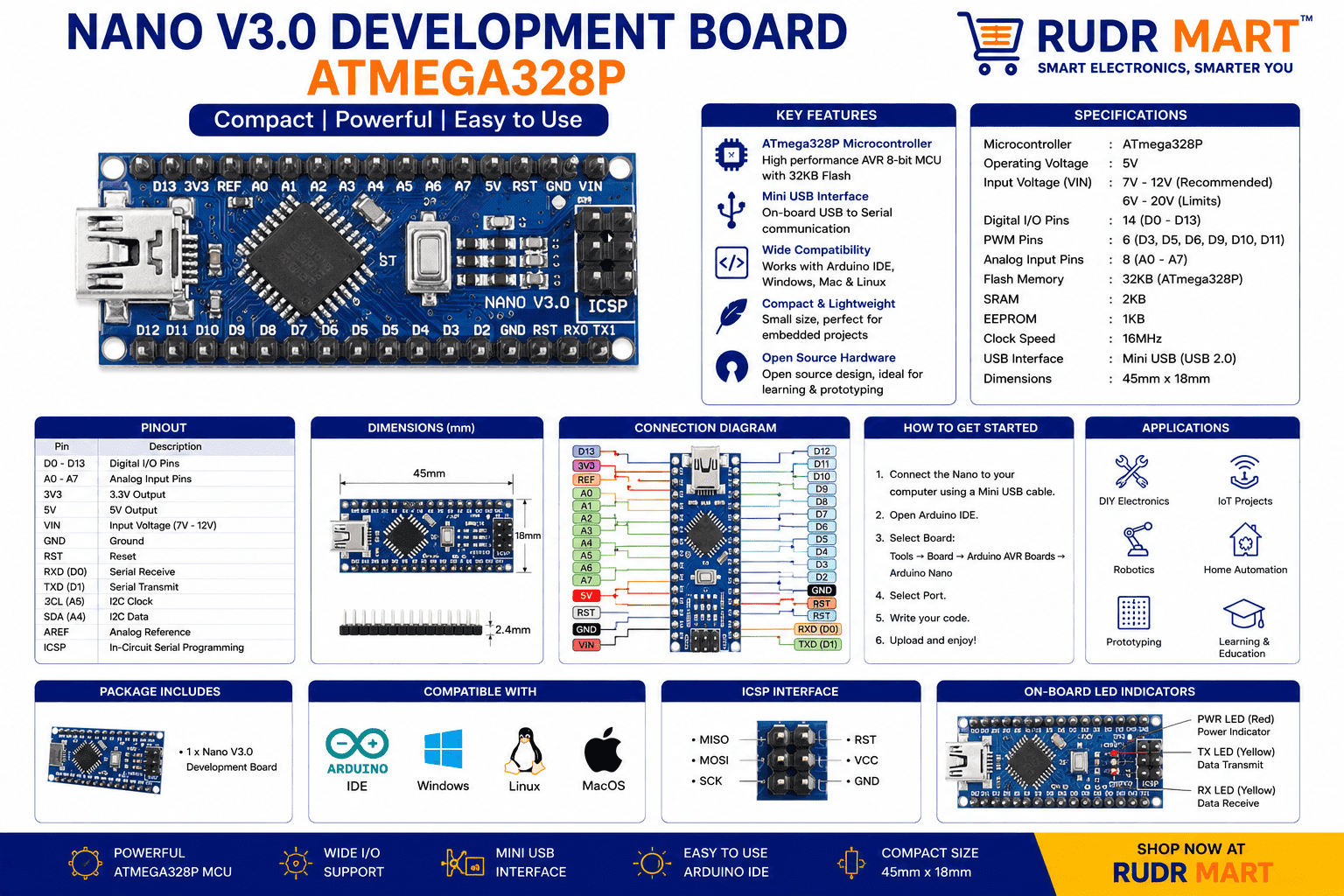
VIN: External power input (7V–12V)
5V: Regulated output supply
3.3V: Low voltage output
GND: Ground connection
Digital Pins (D0–D13)
Used for input/output operations including communication, switching, and control signals.
Analog Pins (A0–A7)
Used for reading analog sensor values with 10-bit resolution.
PWM Pins
Used for motor speed control, LED dimming, and servo control applications.
Compatibility
Arduino IDE
The Nano V3.0 Development Board ATmega328P is fully compatible with Arduino IDE for easy programming and deployment.
https://www.arduino.cc/reference/en/
PlatformIO and Advanced Development
Supports professional embedded development environments for optimized firmware programming.
Robotics and IoT Systems
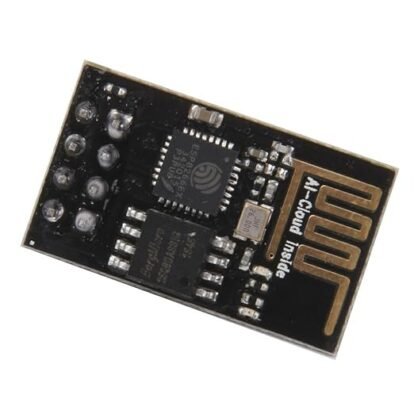
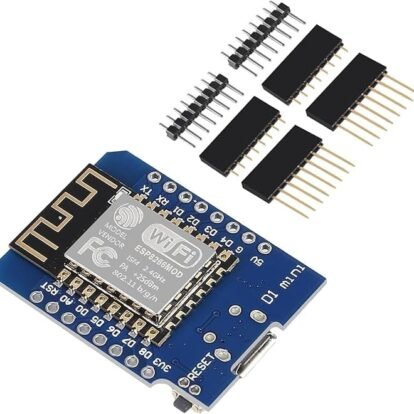
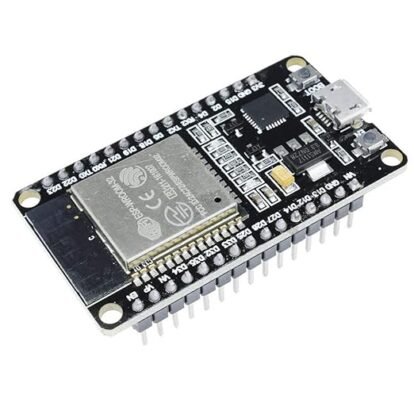
Ideal for integration with sensors, wireless modules, and automation systems including ESP8266 and ESP32 setups.
ESP8266 reference:
https://en.wikipedia.org/wiki/ESP8266
Applications
Robotics and automation systems
Smart home devices
Sensor-based monitoring systems
IoT data logging projects
Educational STEM kits
Motor and servo control systems
Custom electronic prototypes
Embedded control systems
Technical Specifications
| Parameter | Specification |
|---|---|
| Microcontroller | ATmega328P |
| Architecture | 8-bit AVR |
| Operating Voltage | 5V DC |
| Input Voltage (VIN) | 7V – 12V |
| Digital I/O Pins | 14 |
| Analog Inputs | 8 |
| PWM Channels | 6 |
| Flash Memory | 32 KB |
| SRAM | 2 KB |
| EEPROM | 1 KB |
| Clock Speed | 16 MHz |
| USB Interface | Mini-B |
Frequently Asked Questions
What is Nano V3.0 Development Board used for?
It is used for building robotics, IoT systems, automation projects, and embedded electronic applications.
Is it compatible with Arduino IDE?
Yes, it is fully compatible with Arduino IDE for programming and uploading code.
What microcontroller is used in this board?
It uses the ATmega328P 8-bit AVR microcontroller.
Can it run sensor-based projects?
Yes, it supports multiple digital and analog sensors for real-time applications.
Is it suitable for beginners?
Yes, it is widely used in educational and beginner-level electronics projects.
Reviews
There are no reviews yet.