
- Empty cart.
- Continue Shopping
-21%Hot
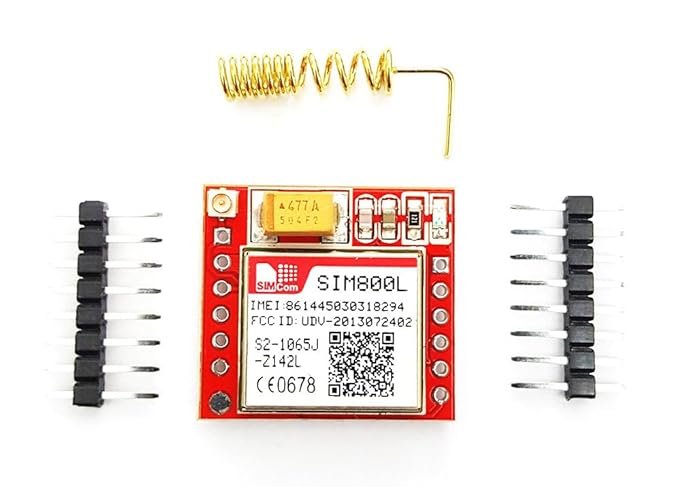
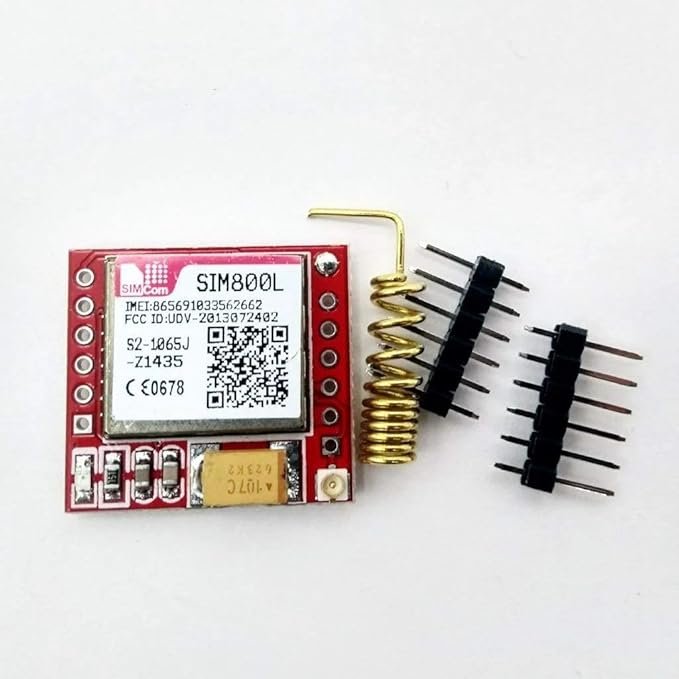
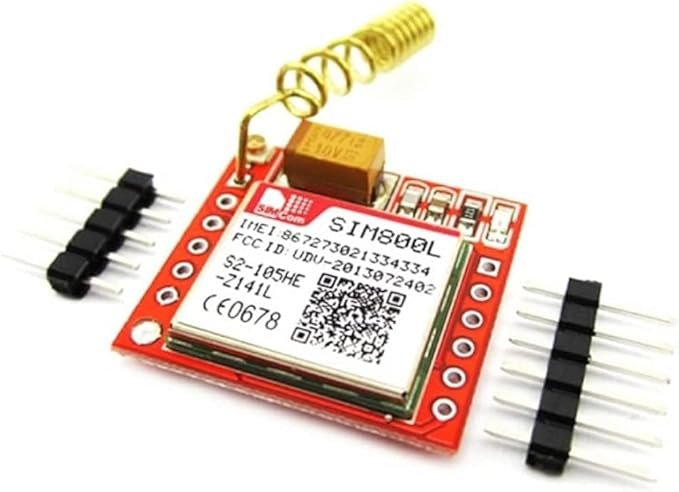
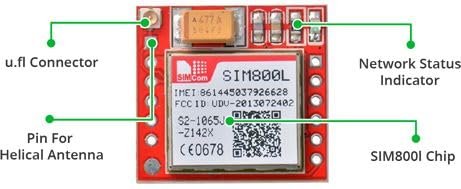
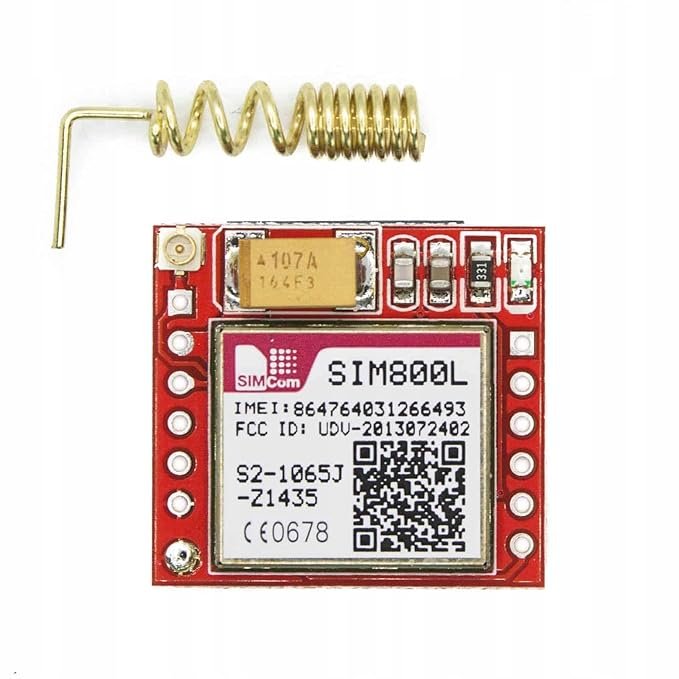
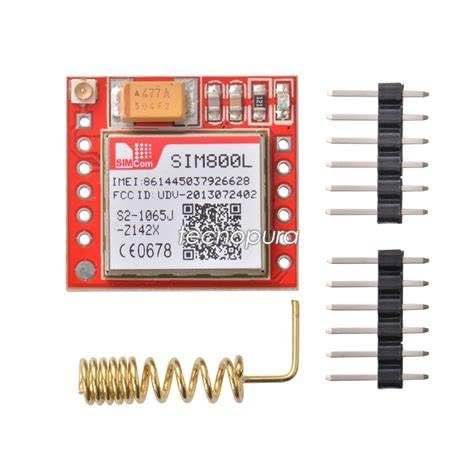
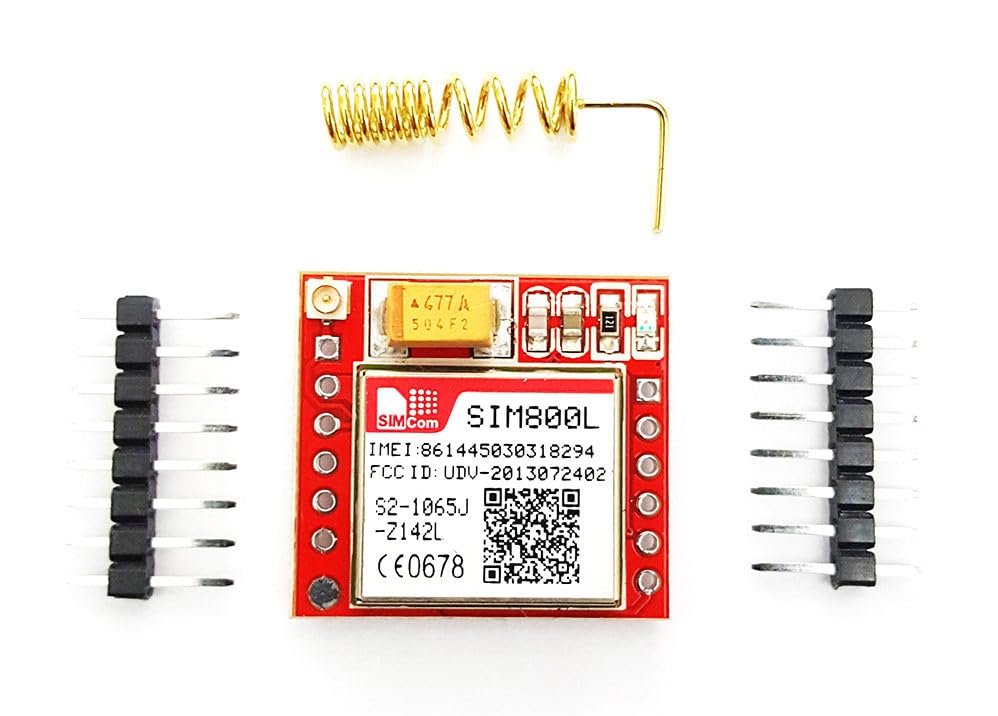
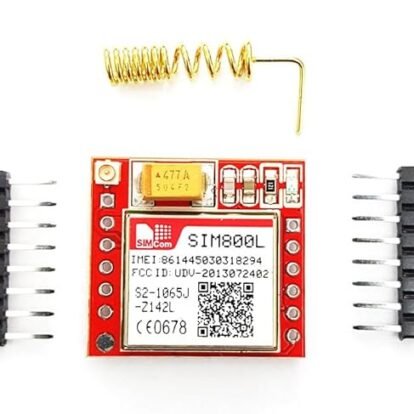
SIM800L GSM GPRS Module
₹389.00Current price is: ₹389.00. Original price was: ₹495.00.
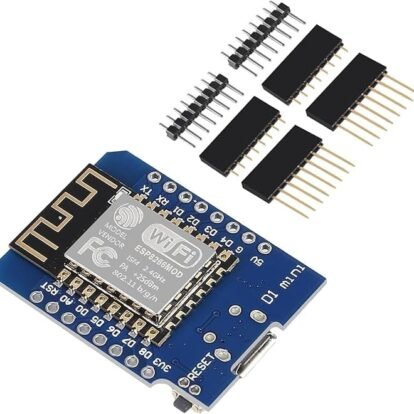
The ESP8266 ESP-12F NodeMCU Mini D1 WiFi Development Board is an ultra-compact, high-performance microcontroller board engineered for IoT projects, smart home automation, and DIY STEM robotics. Powered by the high-speed ESP8266EX chipset and an integrated ESP-12F module, it features a flexible 32-bit processor (80MHz/160MHz) and a generous 4MB of flash memory for complex scripts.
This breadboard-friendly NodeMCU Mini D1 features native 2.4GHz WiFi alongside an onboard PCB antenna for stable wireless connectivity. Equipped with multiple GPIO pins supporting PWM, I2C, SPI, and UART, it offers an onboard Micro USB interface for seamless power and effortless programming across Arduino IDE, NodeMCU Lua, and MicroPython environments.
10 in stock
Add to cart
Buy Now

The SIM800L Compact GSM GPRS Wireless Module is a versatile and high-performance communication board designed for GSM, SMS, voice call, and GPRS-based IoT applications. Powered by the reliable SIM800L chipset, this
ESP8266 ESP-12F NodeMCU Mini D1 WiFi Development Board
Ultimate High-Performance Microcontroller for IoT Projects
The ESP8266 ESP-12F NodeMCU Mini D1 WiFi Development Board is a highly efficient, ultra-compact microcontroller board designed specifically for Internet of Things (IoT) applications, smart home automation, wireless sensor networks, and DIY STEM robotics projects. Built around the powerful and industry-vetted ESP8266EX chipset embedded within the integrated ESP-12F WiFi module, this development board packs an incredible punch given its incredibly small form factor.
It operates with a flexible 32-bit RISC processor that can run at a clock speed of either 80MHz or 160MHz, providing fast processing capabilities for real-time sensor data collection and network transmission. Equipped with a generous 4MB of onboard flash memory, developers have ample space to deploy complex custom firmware, run lightweight local web servers, store extensive program libraries, and handle sophisticated application logic without running into memory bottlenecks.
Advanced Hardware Architecture & Versatile Peripherals
One of the defining aspects of the ESP8266 ESP-12F NodeMCU Mini D1 WiFi Development Board is its versatile pin layout and comprehensive hardware interface support. Despite its breadboard-friendly mini design, it exposes multiple General Purpose Input/Output (GPIO) pins, allowing seamless integration with a massive range of external electronic components.
It provides full native hardware support for Pulse Width Modulation (PWM) for controlling motor speeds or LED brightness, and it includes a dedicated analog input pin (ADC) for reading values from analog sensors like potentiometers, light sensors, or thermistors. For advanced communication protocols, this board natively supports standard industry interfaces including I2C, SPI, and UART. This enables developers to connect external OLED displays, SD card modules, real-time clocks, and a wide array of advanced digital sensors with absolute ease.
Power management and flashing firmware are fully streamlined thanks to the integrated onboard Micro USB port. This micro-USB interface serves a dual purpose: it regulates stable power distribution across the circuit and serves as a direct communication interface for programming, flashing, and debugging via a standard computer connection.
Seamless Wireless Connectivity & Multi-Platform Software Ecosystem
The core strength of the ESP8266 ESP-12F NodeMCU Mini D1 WiFi Development Board lies in its robust, native 2.4GHz WiFi connectivity. Supporting standard wireless communication protocols, this module can act as a standalone station or a local access point, facilitating direct communication between your hardware and cloud services, local network dashboards, or MQTT brokers.
To guarantee stable, reliable data transmission and reception across a room or a facility, the board features a precisely tuned onboard PCB antenna, removing any need for clumsy external antennas or complex RF wiring.
On the software side, this hardware enjoys phenomenal global community support and multi-platform compatibility. It is fully supported by the widely used Arduino IDE, enabling users to leverage thousands of existing C++ open-source libraries. It also runs NodeMCU Lua and MicroPython flawlessly, catering perfectly to developers who prefer pythonic syntax or rapid scripting for their embedded deployments.
Versatile Real-World Applications
Smart Home Automation: Perfect for building custom smart plugs, automated blinds, connected relays, and intelligent lighting systems that integrate smoothly into ecosystems like Home Assistant.
Wireless Sensor Networks: Ideal for remote environmental logging, tracking temperature, humidity, and atmospheric pressure across distributed spaces and uploading live data to cloud platforms.
Industrial IoT Monitoring: Capable of operating as a remote telemetry node to monitor machinery performance and broadcast status alerts across local networks.
STEM Education & Robotics: Serves as an exceptional educational tool for students and hobbyists learning embedded programming, electronics engineering, and wireless control systems.



Reviews
There are no reviews yet.