
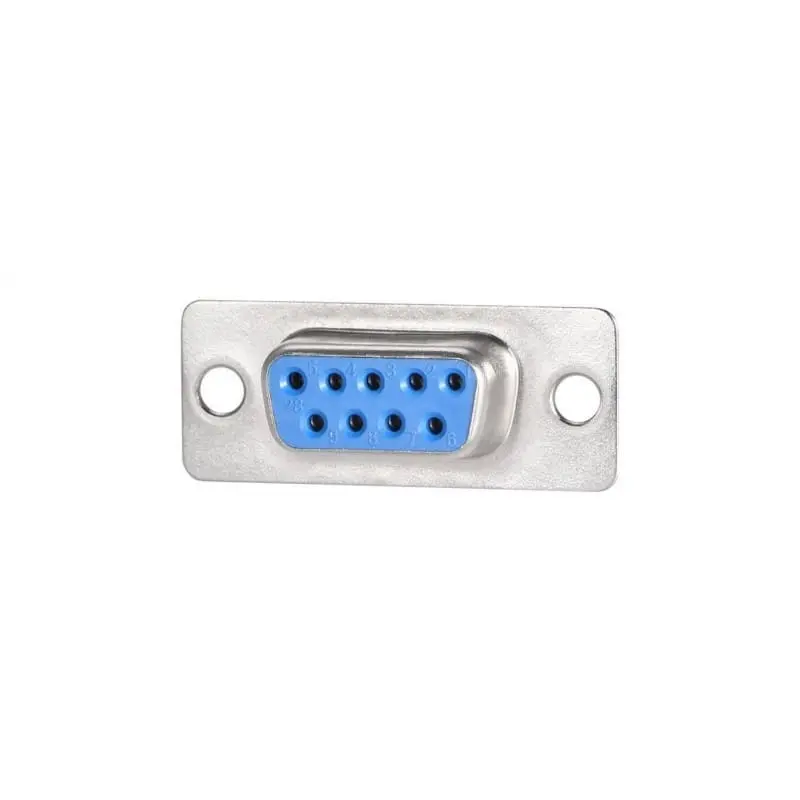
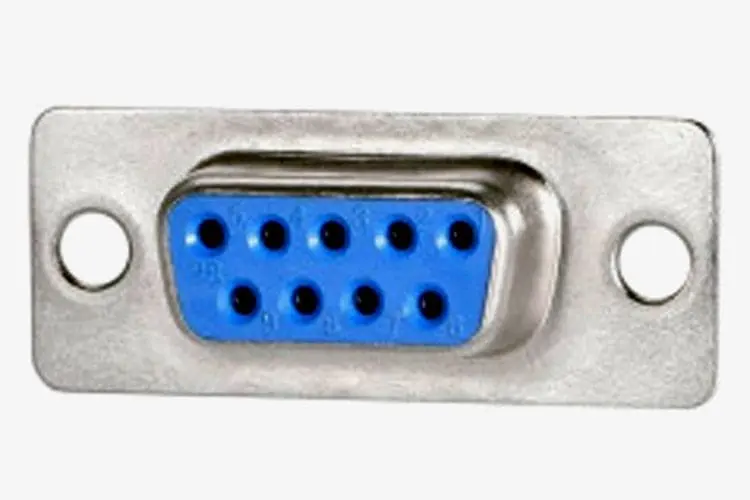
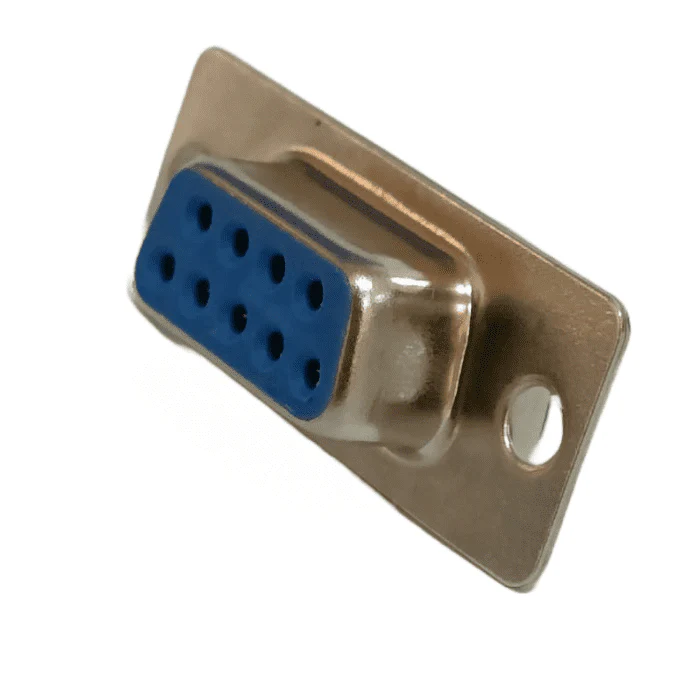
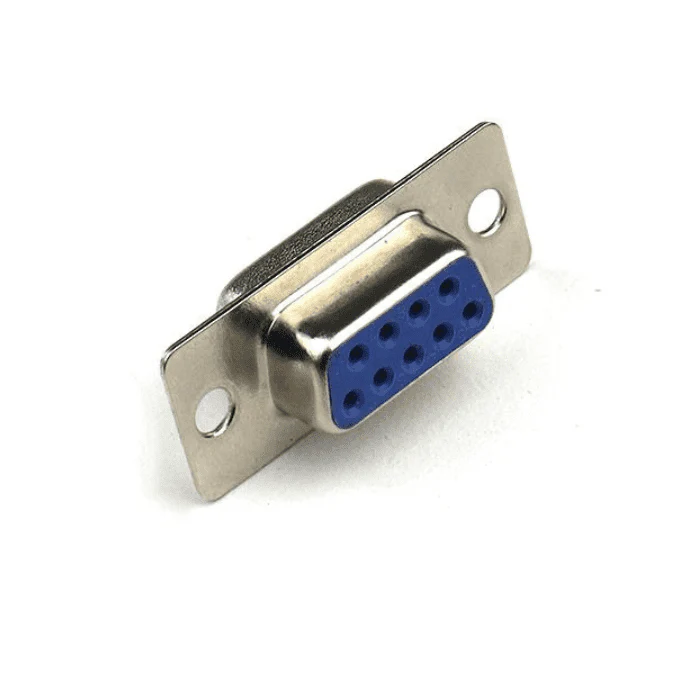
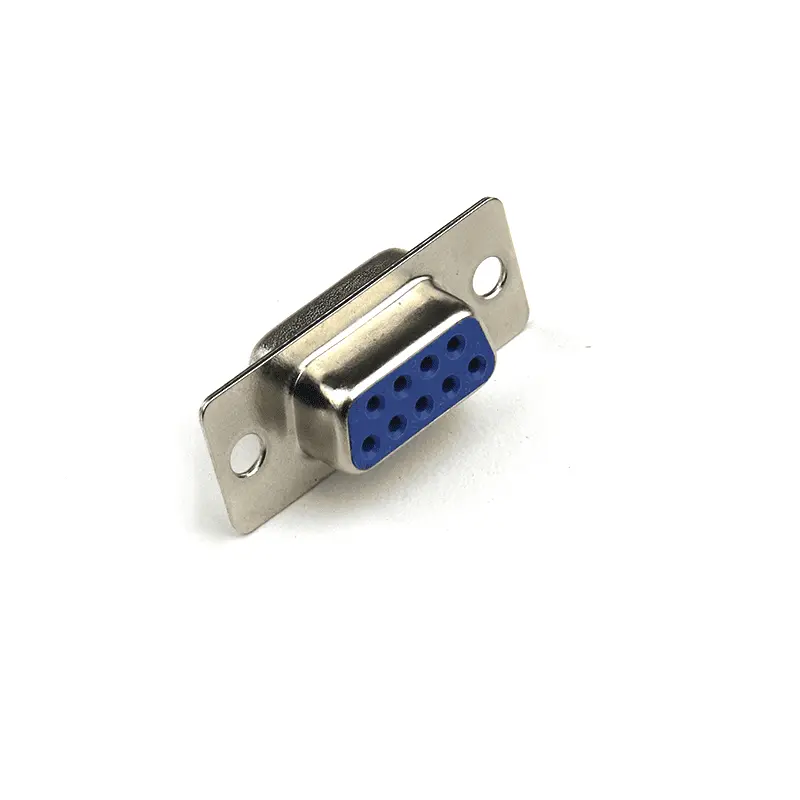
DB9 Female connector
₹110.00Current price is: ₹110.00. Original price was: ₹266.00.
Add to cart
Buy Now

You may also like…
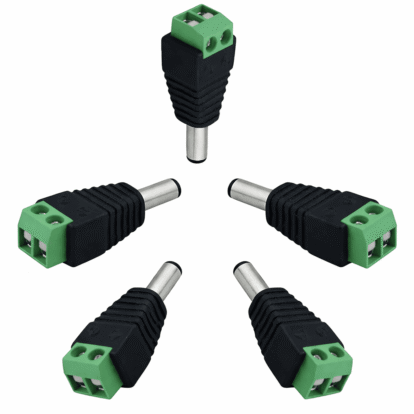
2.1×5.5mm Male DC Power Jack Adapter (5-Pack)
₹249.00Current price is: ₹249.00. Original price was: ₹349.00.Sale!Hot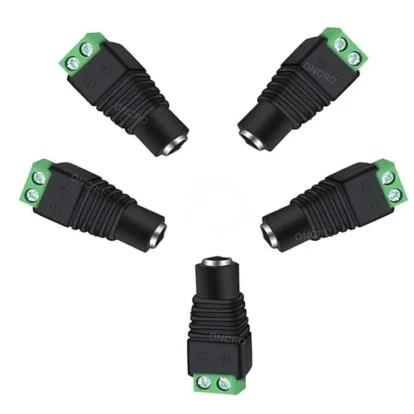
DC Female Power Jack Adapter 5.5×2.1mm (5 Pack)
₹203.00Current price is: ₹203.00. Original price was: ₹249.00.Sale!DB9 Female Connector – Reliable RS232 Serial D-Sub Interface
Looking for a dependable solution for your serial data communications? The DB9 Female Connector is the industry standard for establishing secure, stable, and robust RS232 serial connections. Whether you are building custom data cables, repairing legacy computer peripherals, or working on industrial automation programming, this premium-grade D-Sub 9-pin connector ensures flawless signal integrity and long-lasting durability.
Designed with high-conductivity contacts and a rugged engineering profile, this connector is the go-to component for engineers, hobbyists, and IT professionals alike.
Key Technical Specifications
To ensure seamless integration with your existing hardware and custom setups, here are the essential technical specifications of the DB9 Female connector:
- Connector Type: D-Subminiature (DB9 / DE-9)
- Gender: Female (Receptacle)
- Number of Pins: 9 Pins arranged in a classic two-row layout ($5 \times 4$)
- Termination Style: Solder cup terminals for secure, stable wire attachment
- Contact Material: High-grade copper alloy with premium plating for optimal conductivity
- Insulator Material: Heavy-duty thermoplastic (UL 94V-0 rated for flame retardancy)
- Current Rating: 3A per contact
- Voltage Rating: 250V AC/DC
- Operating Temperature Range: -55°C to +105°C
Key Features and Benefits
1. Exceptional Signal Integrity
In serial data communication, data loss is not an option. The DB9 Female connector features precisely engineered internal pins that minimize contact resistance. The high-quality plating protects the contacts against oxidation and wear over time, ensuring your data packages arrive uncorrupted even after thousands of mating cycles.
2. Robust and Durable Construction
Built to withstand demanding environments, the connector shell is made of rugged metal or high-density steel. This shield provides excellent mechanical protection against physical impact and offers basic Premium DB9 Female Connector – Reliable RS232 Serial D-Sub Interface (EMI) shielding to keep your serial communication clean and uninterrupted.
3. Standardized Solder Cup Design
For DIY electronics enthusiasts and custom assembly lines, ease of assembly is crucial. This DB9 Female connector comes equipped with hollow solder cups that easily accept standard wire gauges. The clean spacing between the pins reduces the risk of accidental solder bridges, making your wiring or prototyping process smooth and hassle-free.
4. Universal RS232 Compatibility
As a universal standard component, this 9-pin female interface works perfectly with standard DB9 male plugs. It is fully compatible with classic RS232, RS422, and RS485 communication protocols, fitting seamlessly into legacy systems and modern custom controllers alike.
Versatile Applications
The DB9 Female connector remains indispensable across various tech sectors. Common use cases include:
- Industrial Automation: Connecting Programmable Logic Controllers (PLCs), CNC machinery, and industrial sensors to control terminals.
- Networking Equipment: Establishing console connections for configuring vintage routers, network switches, and server racks.
- DIY Projects & Prototyping: Ideal for microcontroller projects (such as Arduino or Raspberry Pi interfacing via level shifters) that require structured serial outputs.
- Legacy Hardware Support: Maintaining and repairing older computer peripherals, barcode scanners, cash registers, and medical equipment that rely heavily on serial ports.
Step-by-Step Installation & Wiring Guide
Wiring your new DB9 Female connector is a straightforward process when following standard RS232 pinout guidelines:
- Strip the Wires: Strip back the outer insulation of your multi-core serial cable by roughly 15mm, then strip individual wire ends by 2-3mm.
- Tin the Leads: Apply a tiny amount of solder to the stripped wire tips and into the connector’s solder cups. This “tinning” process ensures a fast, clean bond.
- Solder to Pins: Reference your specific hardware pin diagram (commonly Pin 2 for RXD, Pin 3 for TXD, and Pin 5 for Ground) and carefully solder the wires into the respective cups.
- Insulate and Secure: Slide heat-shrink tubing over the soldered joints to prevent short-circuits. Finally, assemble the DB9 plastic or metal hood (sold separately) over the connector to provide reliable strain relief for the cable.
| Weight | 0.005 kg |
|---|---|
| Dimensions | 3.1 × 1.3 × 1.5 cm |
Reviews
There are no reviews yet.