
- Empty cart.
- Continue Shopping
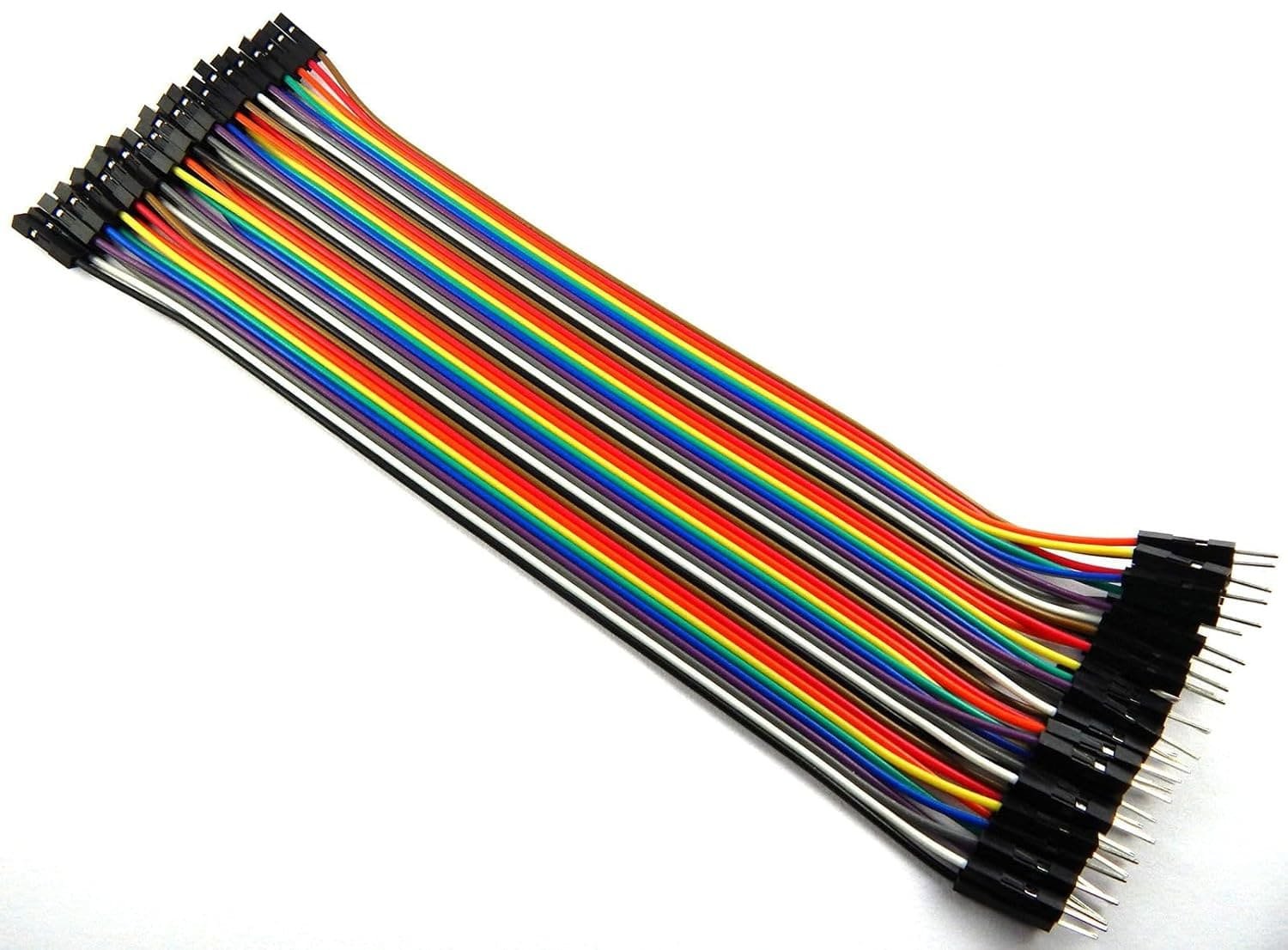
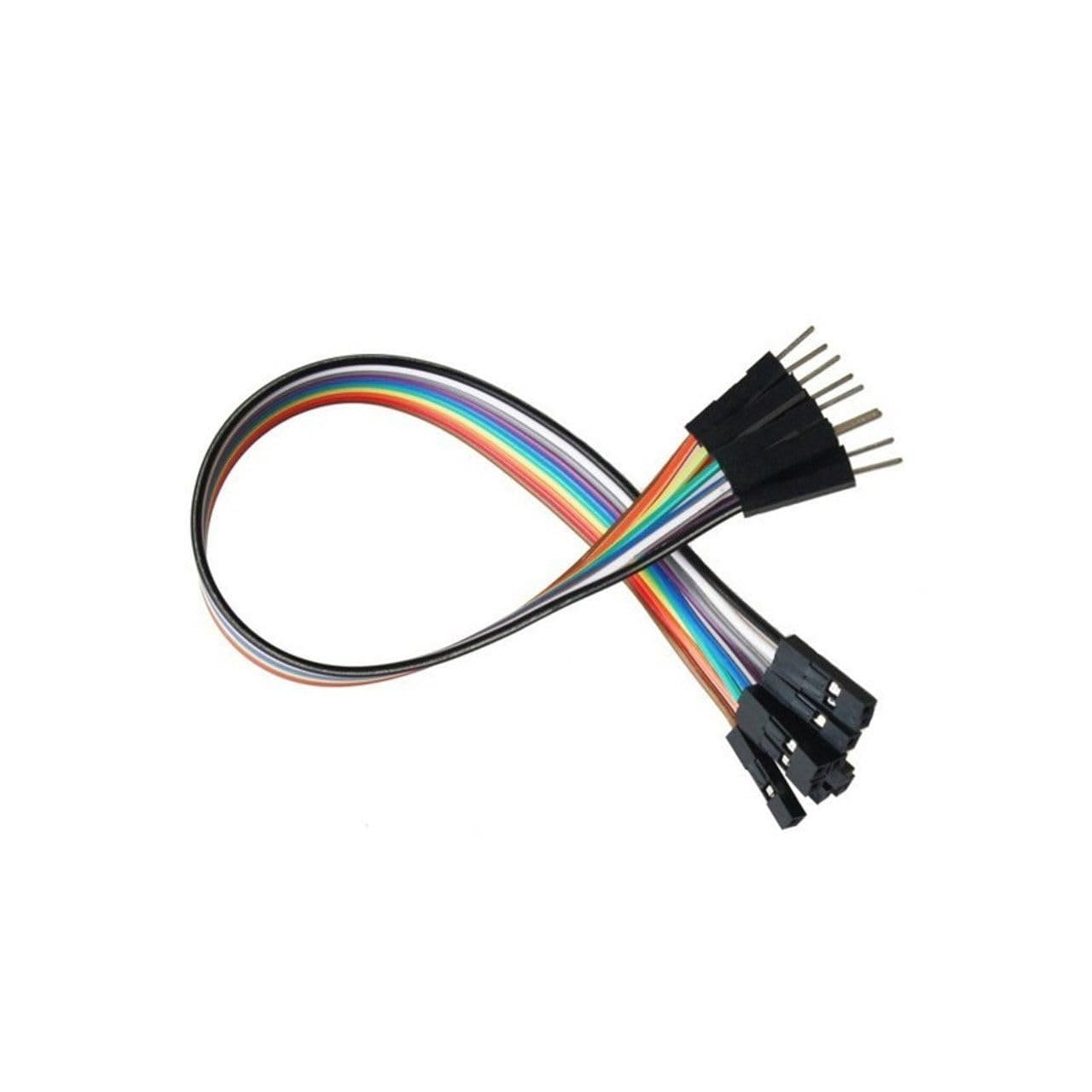
Male to Female Jumper Wire
₹193.00Current price is: ₹193.00. Original price was: ₹295.00.
7 in stock (can be backordered)
Add to cart
Buy Now

You may also like…
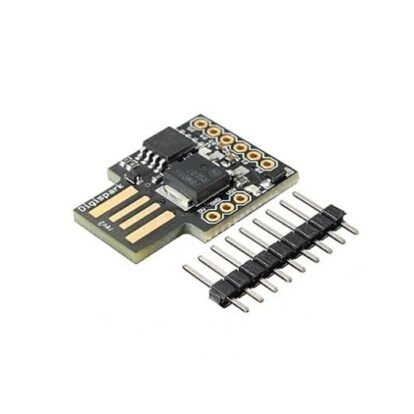
Digispark ATtiny85 USB Development Board
₹415.00Current price is: ₹415.00. Original price was: ₹525.00.Sale!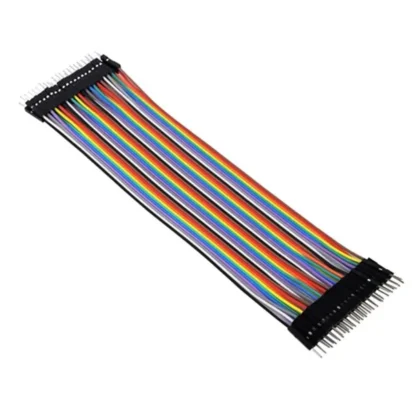
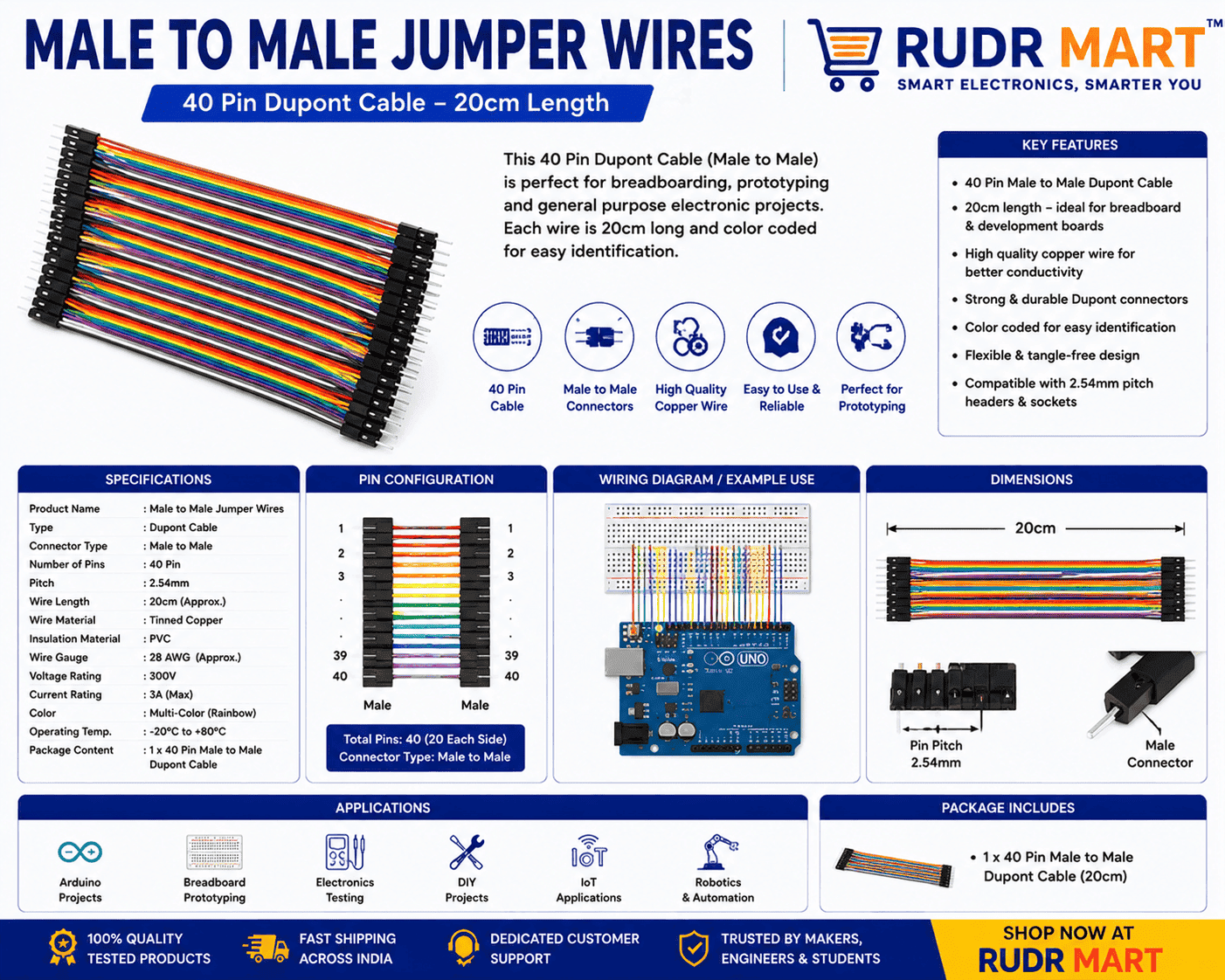
Male to Male Jumper Wires 40 Pin Dupont Cable
₹201.00Current price is: ₹201.00. Original price was: ₹365.00.Sale!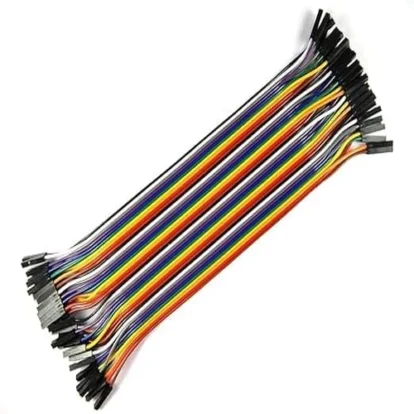
Premium Male to Female Jumper Wire 40 Pin Dupont Cable Breadboard Connector
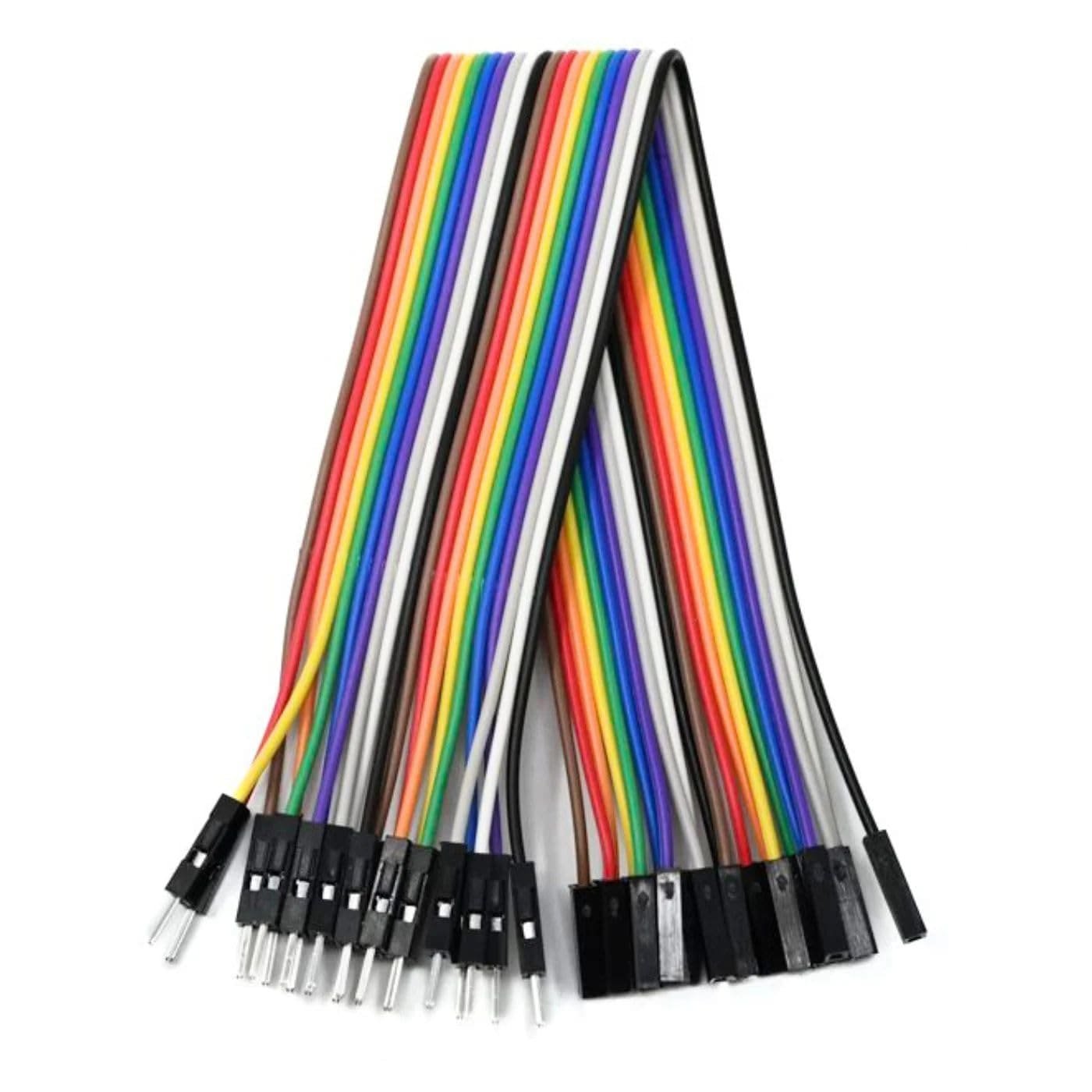
The Male to Female Jumper Wire 40 Pin Dupont Cable is an essential hardware connection component engineered for seamless electronics prototyping, circuit design, and educational robotics projects. Creating reliable electrical connections between distinct hardware modules requires flexible, high-conductivity paths that prevent accidental shorts and minimize signal distortion. This professional-grade jumper wire set provides a clean, solderless solution for bridging male pin headers with breadboard tie-points or female socket modules. It serves as a foundational piece for any engineering laboratory, school STEM kit, or professional R&D workshop.
Key Product Specifications and Engineering Features
Manufactured to handle repetitive hardware modifications and complex signal routing smoothly, this premium multi-pack ribbon cable stands out due to its rigid build specifications:
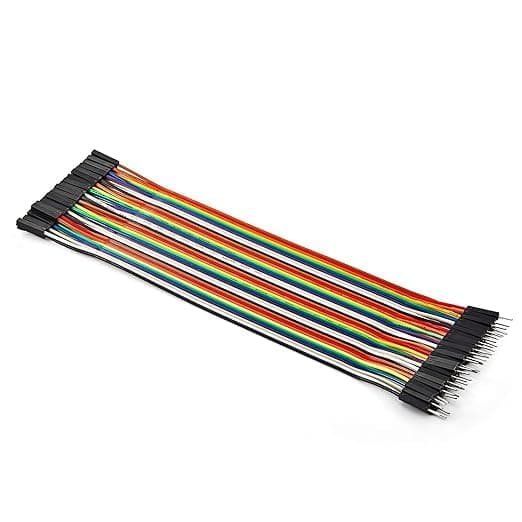
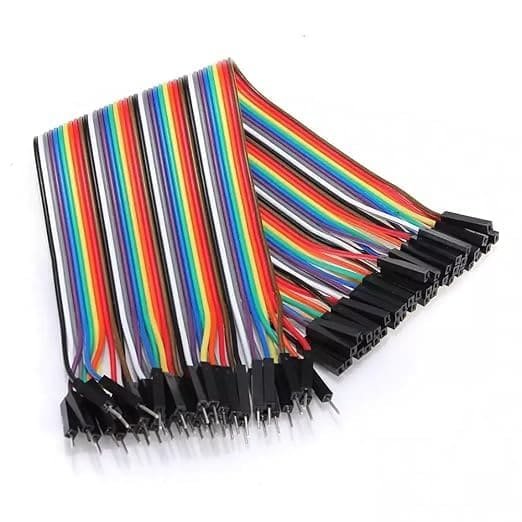
- Complete 40-Pin Array: Supplied as a unified ribbon of 40 individual lines that can be used as a wide bus or easily peeled apart into custom single lines.
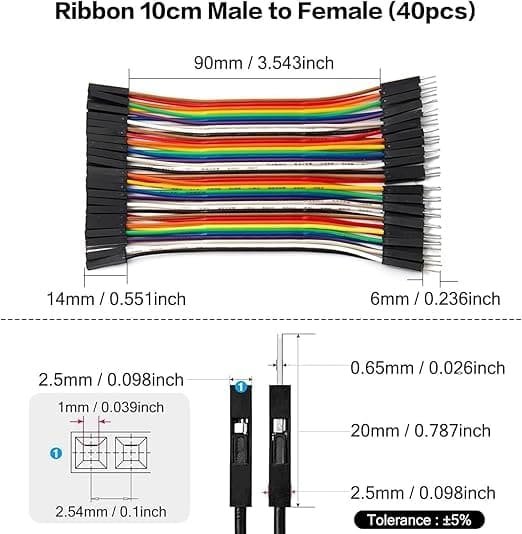
- Standard Conductor Pitch: Features a universal 2.54mm (0.1 inch) pin pitch spacing, rendering it natively compatible with standard breadboards, breakout boards, and microcontrollers.
- Molded Dupont Heads: Designed with precision-machined male pin terminals on one end and durable female terminal housings on the other for a secure friction fit.
- Distinct Rainbow Color Coding: Employs a repeating 10-color layout sequence across the 40-pin array to simplify line tracing and dramatically reduce wiring mistakes.
- Flexible PVC Insulation Wrapper: Insulated with an impact-resistant, highly flexible polyvinyl chloride shell that protects internal copper cores from fatigue and breaking during tight loops.
Simplifying Microcontroller and Raspberry Pi Prototyping
When integrating complex sensors, displays, or motor driver modules with development environments like Arduino, ESP32, or Raspberry Pi, managing messy wiring harnesses is a significant challenge. The Male to Female Jumper Wire 40 Pin Dupont Cable resolves this complication perfectly. The distinct rainbow-colored columns function as an instant physical map. Installers can allocate specific colors to critical signal rails such as VCC (Power), GND (Ground), SDA (Data), and SCL (Clock).
Because the flat ribbon wire peels apart cleanly, you can separate precise groupings—like a 4-wire strand for an I2C OLED screen or an 8-wire segment for an alphanumeric LCD layout—without creating a chaotic jumble on your test bench. This structured organization minimizes debugging time and optimizes overall system presentation.
Versatile Applications Across DIY Automation and Robotics
Beyond small-scale laboratory breadboards, the absolute versatility of the Male to Female Jumper Wire 40 Pin Dupont Cable makes it a mandatory accessory across low-voltage automation setups. Robotics builders depend heavily on these extension cables to route logic signals directly from structural microcontroller ports down to individual servo motors or ultrasonic proximity arrays.
Furthermore, embedded electronics technicians utilize them to construct temporary test loops inside custom project enclosures. If you are developing advanced automated systems that step up low-power microcontroller logic to handle mains-powered household devices, you can effortlessly pair these connection leads with a companion 4 Channel 5V Relay Module Board to build isolated, commercial-grade switching circuits safely.
Step-by-Step Separation and Terminal Connection Guide
Achieving a commercial-grade connection with this solder-free prototype cable requires only a few intuitive actions:
- Identify the exact number of connection lines your target sensor module or display layout requires.
- Carefully peel away the necessary number of pins from the main 40-pin ribbon array starting from one edge.
- Align the female connector sockets with the male header pins on your sensor or development board.
- Push down firmly on the plastic connector housing until the junction fits tightly. Avoid pulling directly on the flexible wire insulation during extraction or adjustment.
Proactive Care and Long-Term System Reliability Tips
To achieve the longest possible lifespan from your prototyping accessories, always extract connections by gripping the rigid plastic header shell rather than tugging on the flexible multi-strand wire. Repeatedly pulling directly on the wire can break the internal crimped terminal connection, leading to intermittent power losses or frustrating signal dropouts. Always check that the male connector pins are completely straight before mating them into tight sockets to ensure low electrical resistance.
| Weight | 0.50 kg |
|---|---|
| Dimensions | 20.0 × 15.0 × 2.0 cm |

Reviews
There are no reviews yet.