
- Empty cart.
- Continue Shopping
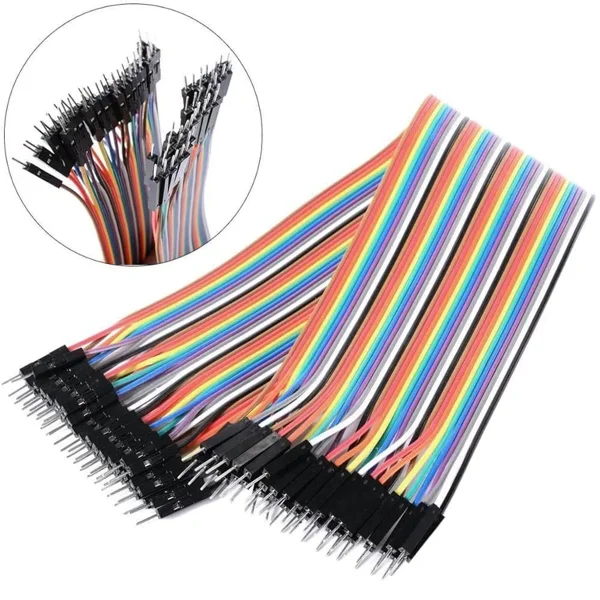
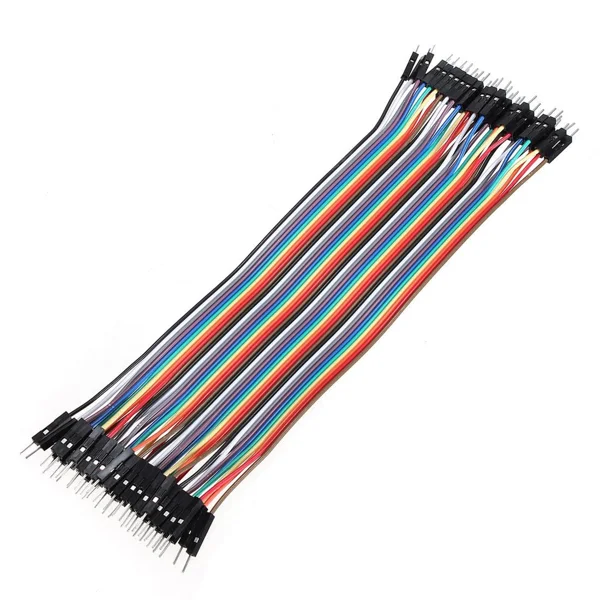
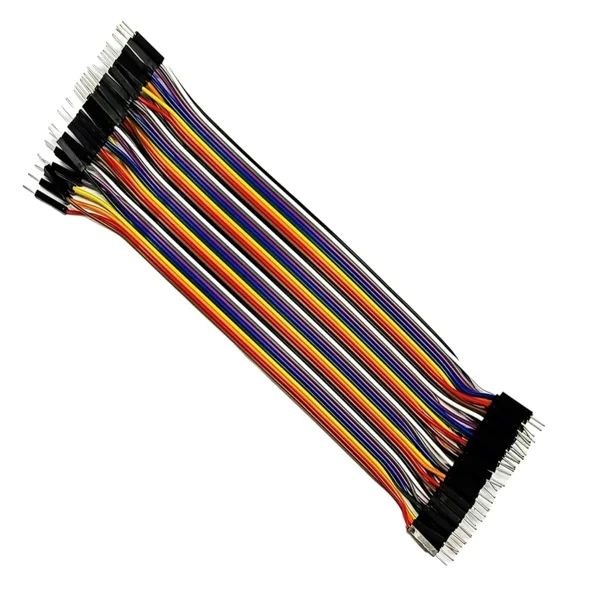
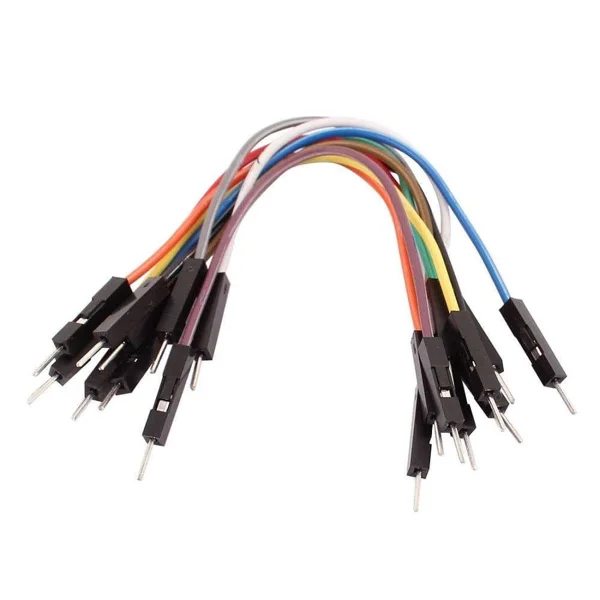
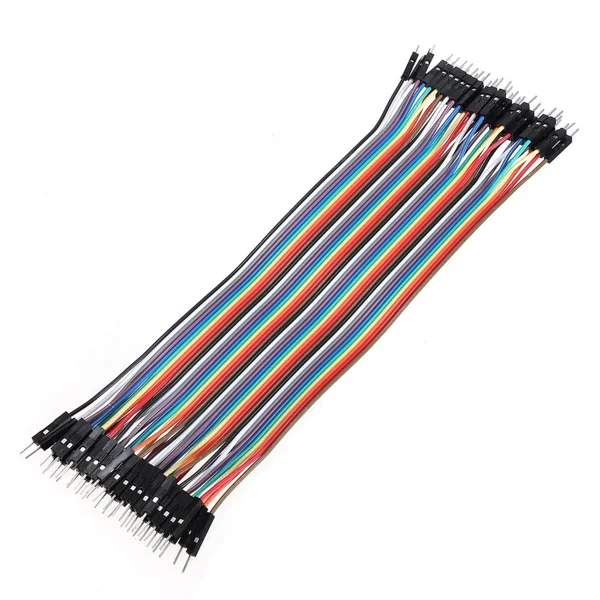
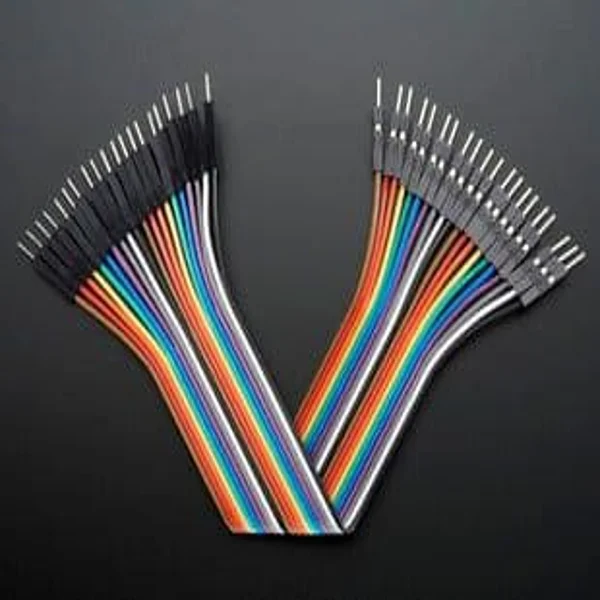
Male to Male Jumper Wires 40 Pin Dupont Cable
₹201.00Current price is: ₹201.00. Original price was: ₹365.00.
9 in stock (can be backordered)
Add to cart
Buy Now

You may also like…
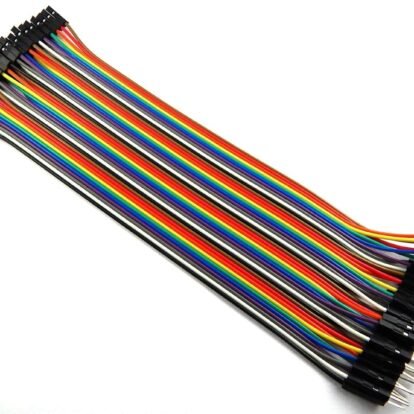
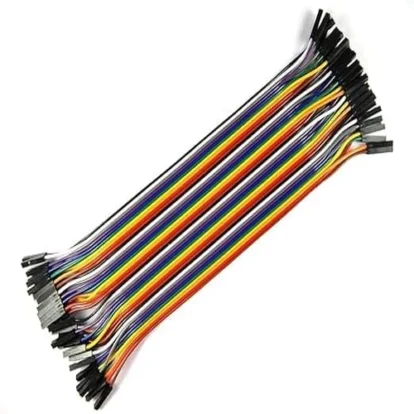
Premium Male to Male Jumper Wires 40 Pin Dupont Cable Breadboard Connector
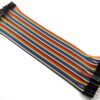
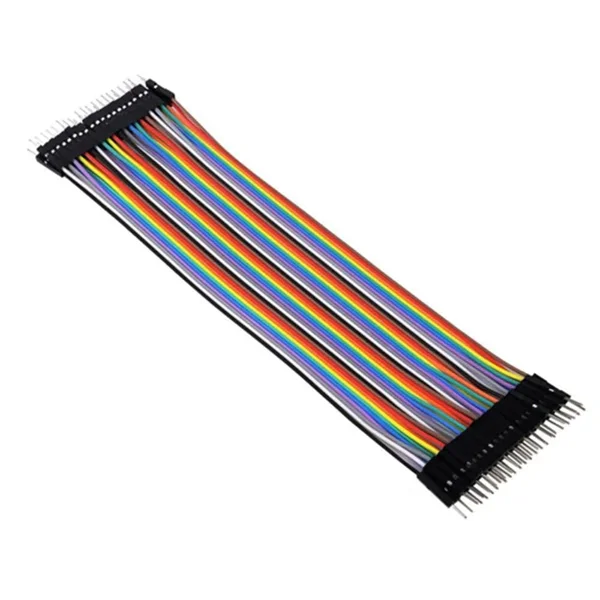
The Male to Male Jumper Wires 40 Pin Dupont Cable Breadboard Connector is a reliable and essential hardware component designed for seamless electronics circuit connections and rapid prototyping projects. Building stable electrical paths requires secure connectors that minimize signal degradation, prevent short circuits, and resist physical wear over time. This professional-grade jumper wire set provides a quick, secure, and completely solder-free connection framework between electronic components. It is the perfect foundational tool for electronics labs, educational prototyping, and advanced engineering applications.
Key Technical Specifications and Product Features
Engineered to handle complex signal routing and frequent hardware modifications smoothly, this multi-purpose ribbon cable pack stands out with its robust design:
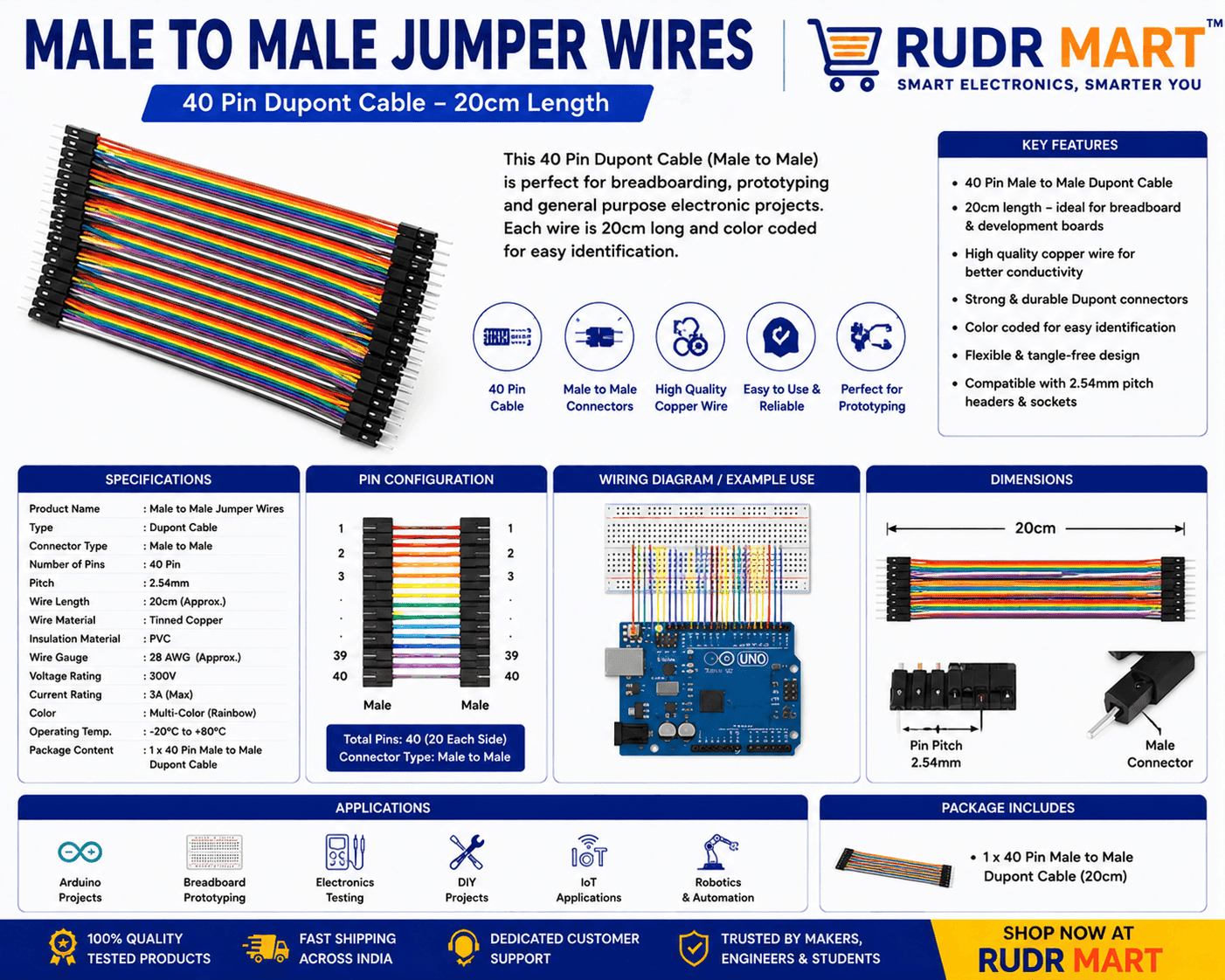
- Complete 40-Pin Array: Comes as a unified ribbon of 40 individual conductor lines that can be used together or easily separated.
- Standard Conductor Pitch: Features a universal 2.54mm (0.1 inch) pin pitch spacing, making it natively compatible with standard breadboards and pin headers.
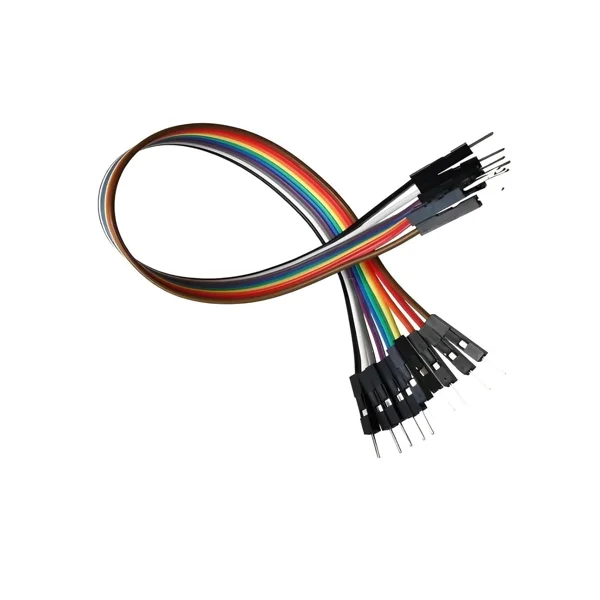
- High-Quality Dupont Heads: Equipped with precise male-to-male terminal inserts on both ends that provide a firm, wiggle-free friction fit.
- Vibrant Rainbow Color Coding: Features a distinct 10-color repeating sequence across the cable to simplify tracing and prevent mistakes.
- Flexible PVC Insulation: Encased in a highly durable, flexible polyvinyl chloride casing that tolerates frequent bending without breaking internal wires.
Simplifying Complex Prototyping and Testing Workflows
When working with microcontrollers like Arduino, Raspberry Pi, or ESP32 boards, organizing multiple sensor connections can quickly turn into a confusing clutter of cables. The Male to Male Jumper Wires 40 Pin Dupont Cable Breadboard Connector addresses this issue perfectly. The rainbow-colored rows serve as an instant visual map, allowing you to assign specific colors to critical paths like VCC, GND, SDA, and SCL.
Because the ribbon cable can be split apart cleanly, you can peel off exact sections—such as a 4-pin strip for an I2C LCD screen or an 8-pin strip for an advanced driver—without creating an unorganized mess on your workspace. This level of organization cuts down on debugging times and speeds up project building.
Versatile Engineering Applications Across DIY Electronics
While ideal for small-scale breadboard circuits, the sheer versatility of the Male to Male Jumper Wires 40 Pin Dupont Cable Breadboard Connector makes it a must-have tool across various low-voltage industries. Robotics enthusiasts rely heavily on these cables to route control signals directly from a microcontroller’s interface pins to compact servo motors or motor drivers.
Additionally, embedded system developers use them to build custom wiring test loops inside prototyping enclosures. If you are constructing automated systems that transition from low-power logic signals to heavy-duty appliances, you can seamlessly pair these connection lines with a companion 4 Channel 5V Relay Module Board to build safe, high-voltage switching rigs.
Step-by-Step Connection and Separation Guide
Getting a professional, long-lasting connection with this solder-free hardware is simple:
- Identify the exact number of individual connection pins your current module or sensor requires.
- Carefully peel away the needed number of lines from the main 40-pin ribbon array starting from one edge.
- Align the male pin connector with your breadboard tie-points or your microcontroller’s female header sockets.
- Push down firmly on the plastic connector housing until the pin is fully inserted. Avoid pulling on the flexible wire itself during adjustments.
Long-Term Maintenance and System Reliability Tips
To get the longest lifespan out of your connection accessories, always pull from the rigid plastic connector shell rather than tugging on the flexible wire insulation when removing connections. Over time, pulling directly on the wire can weaken the internal copper solder joints. Always check for bent tips before plugging a pin into a tight socket, as straight pins ensure maximum surface area contact for low resistance and consistent data transmission.
| Weight | 0.50 kg |
|---|---|
| Dimensions | 20 × 15 × 2.0 cm |

Reviews
There are no reviews yet.