

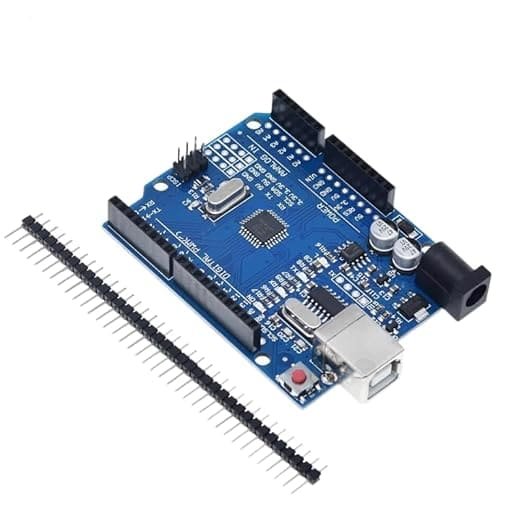
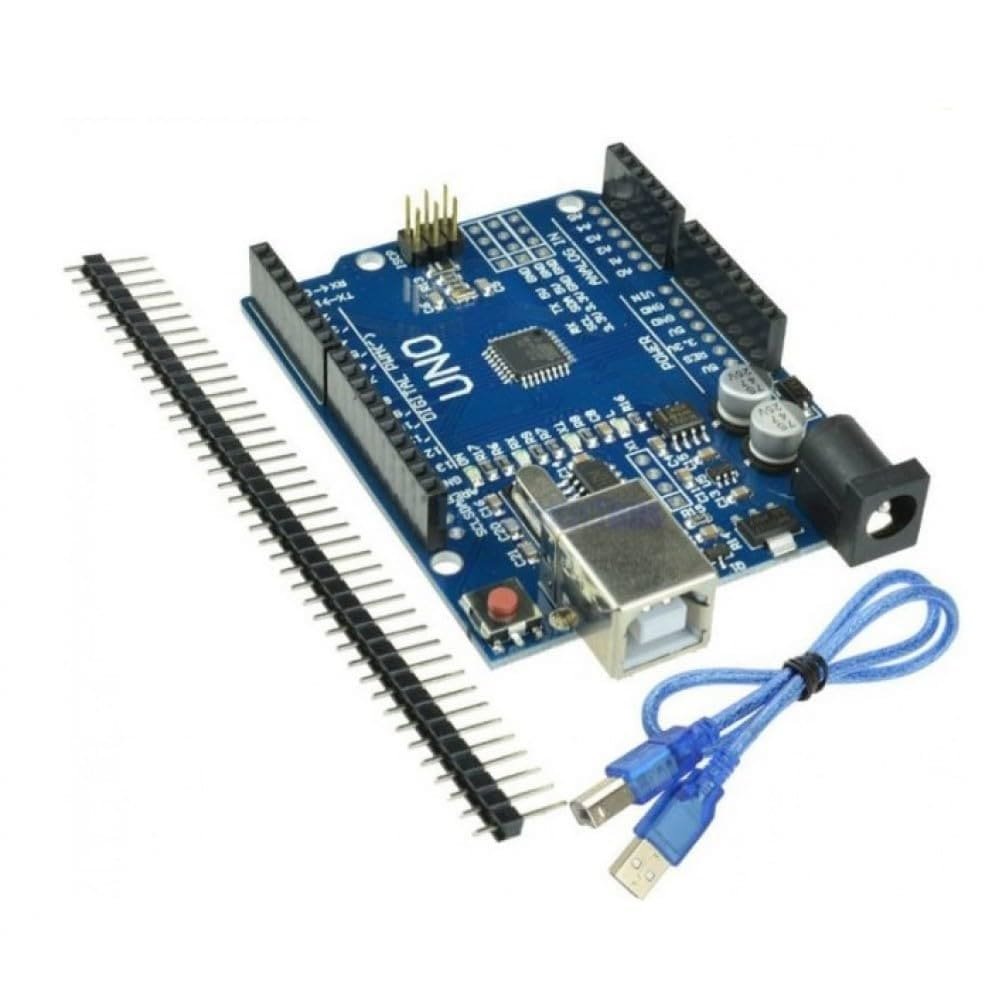
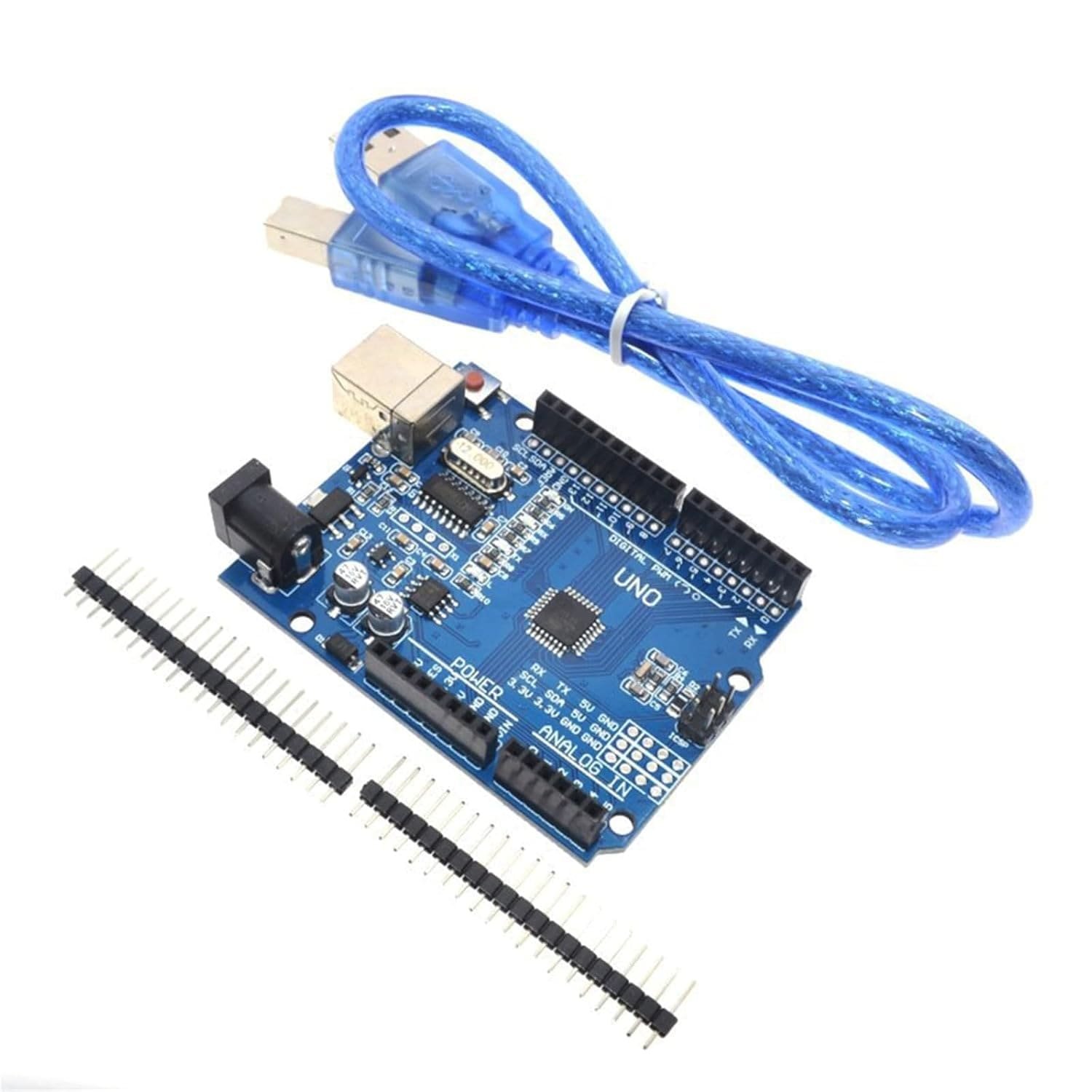
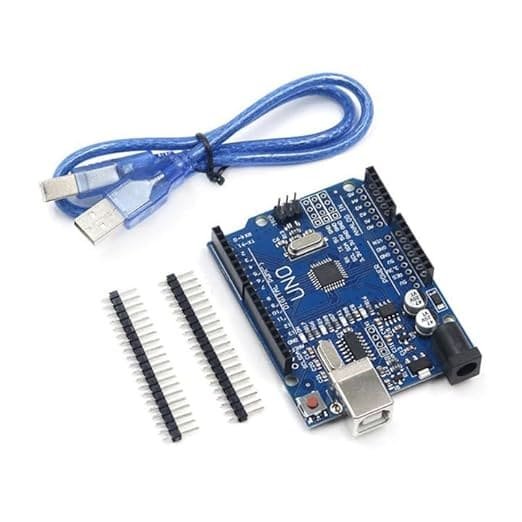
UNO R3 SMD Development Board
₹445.00Current price is: ₹445.00. Original price was: ₹1,500.00.
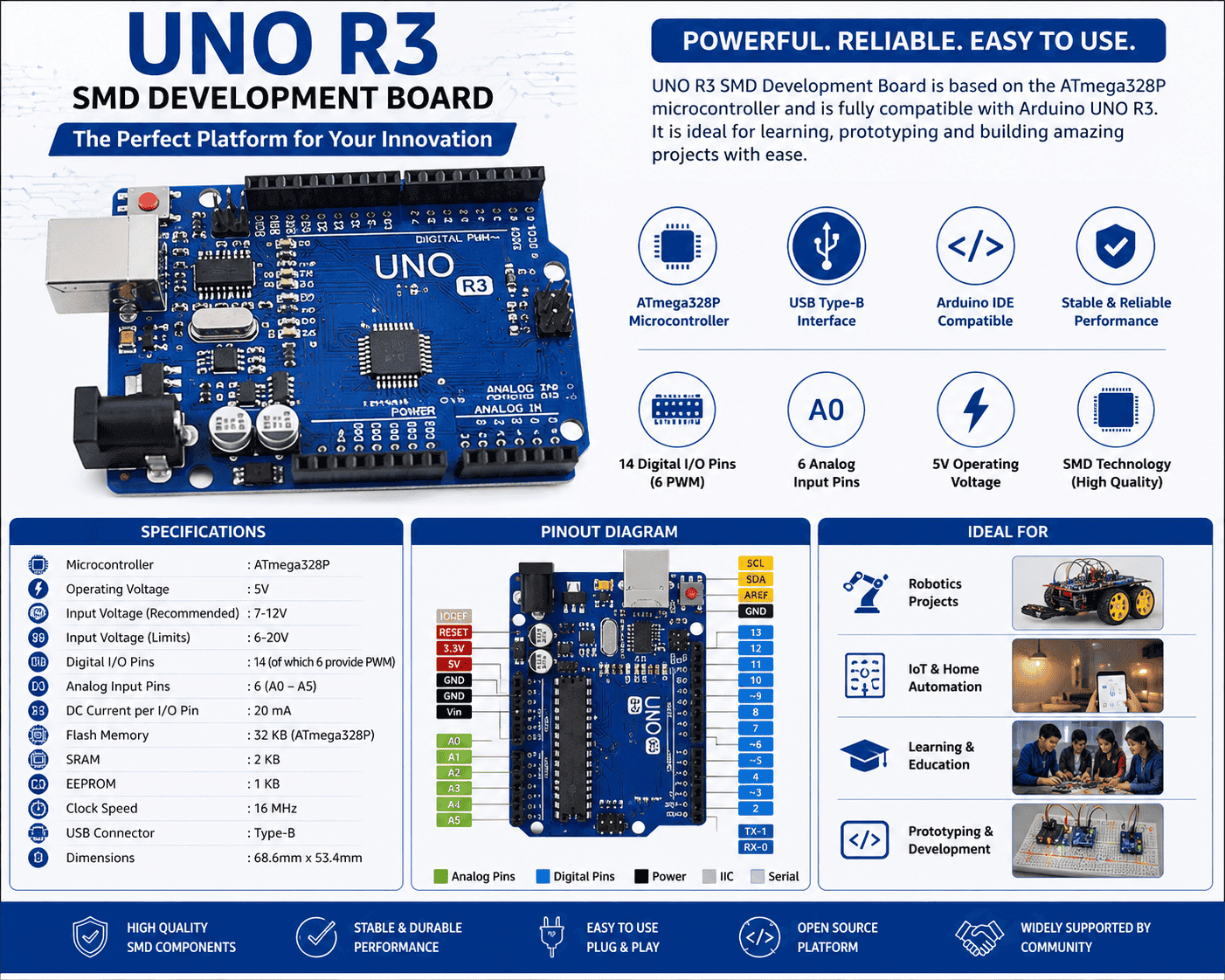
Unleash your creativity with the UNO R3 Development Board, the ultimate microcontroller platform for student education, DIY electronics, and rapid engineering prototyping. Built around the powerful ATmega328P chip, this easy-to-use board features 14 digital I/O pins, 6 analog inputs, and a robust 16 MHz clock speed. Whether you are automating your home, building custom robotics, or designing IoT telemetry, the UNO R3 Development Board delivers stable, beginner-friendly, and highly versatile performance for all your hardware innovation projects.
Why This Works for SEO:
Focus Keyword Placement: The target keyword (UNO R3 Development Board) is used twice naturally—once right at the start of the description and once near the end.
Feature Integration: It cleanly packs in essential tech specs (ATmega328P, 14 digital pins, 6 analog inputs, 16 MHz clock) to capture technical searches.
Target Audience & Intent: Includes high-value search terms like student education, DIY electronics, engineering prototyping, robotics, and IoT telemetry.
11 in stock (can be backordered)
Add to cart
Buy Now

You may also like…
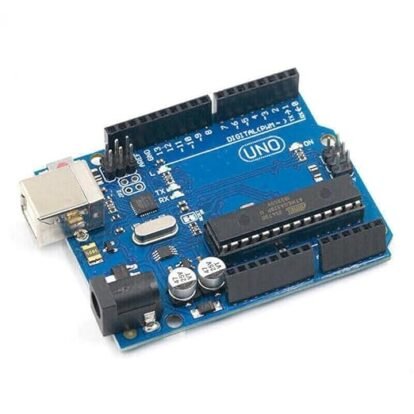
UNO R3 for Arduino ATmega16U2 USB Microcontroller
₹665.00Current price is: ₹665.00. Original price was: ₹1,716.00.Sale!Hot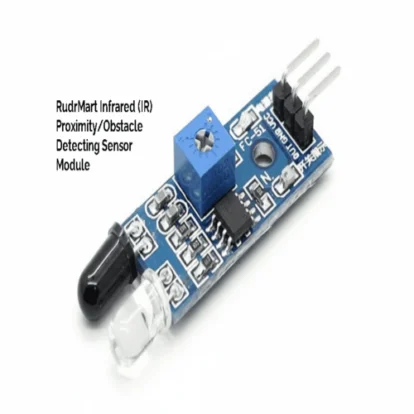
Infrared IR Proximity Sensor Module
₹165.00Current price is: ₹165.00. Original price was: ₹197.00.Sale!Hot
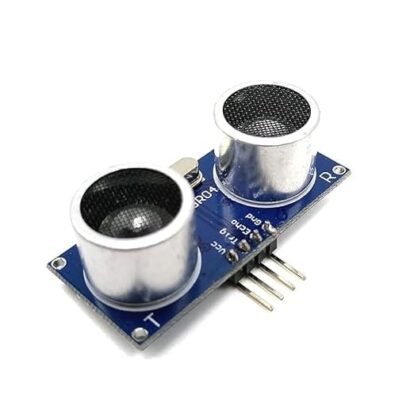
HC-SR04 Ultrasonic Sensor Module
₹236.00Current price is: ₹236.00. Original price was: ₹660.00.Sale!HotUNO R3 Development Board – High-Performance Microcontroller for DIY Electronics & Prototyping
Whether you are a student stepping into the world of embedded systems, a hobbyist building custom automation, or a professional engineer developing rapid prototypes, the UNO R3 Development Board is the ultimate foundational tool. Known worldwide as the gold standard for learning electronics and coding, this versatile microcontroller board bridges the gap between software programming and hardware interaction. Built around the powerful ATmega328P processor, it provides a stable, highly reliable, and immensely scalable platform for bringing your innovative concepts to life.
From driving simple LED patterns to managing complex Internet of Things (IoT) nodes, this board offers unparalleled ease of use, an open-source architecture, and a massive global community of documentation to support your engineering journey.
Technical Specifications: The Anatomy of the ATmega328P Core
At the heart of the UNO R3 Development Board lies the high-performance, low-power ATmega328P 8-bit microcontroller chip. Engineered to process instructions efficiently, it handles multi-component circuits seamlessly.
- Microcontroller Chip: High-quality ATmega328P
- Operating Voltage: 5V standard logic level
- Input Voltage (Recommended): 7V to 12V via the barrel jack
- Digital I/O Pins: 14 pins (6 of which provide hardware Pulse Width Modulation / PWM output)
- Analog Input Pins: 6 dedicated channels (A0 to A5 for sensor reading)
- DC Current per I/O Pin: 40 mA for robust signal integrity
- Flash Memory: 32 KB (with 0.5 KB utilized by the pre-programmed bootloader)
- SRAM & EEPROM: 2 KB of internal SRAM for variable storage and 1 KB of non-volatile EEPROM
- Clock Speed: 16 MHz crystal oscillator for precise timing
Key Features & Product Benefits
1. Beginner-Friendly Yet Industry-Capable
The UNO R3 Development Board features a standardized layout with clearly labeled female header pins, making breadboard prototyping fast and solder-free. It functions as an exceptional educational electronics module, serving as the core engine for modern STEM learning kits worldwide.
2. Robust Power and Overcurrent Protection
Equipped with both a USB Type-B interface and a dedicated DC barrel jack, the board intelligently selects the safest power source. It features an onboard resettable polyfuse that automatically protects your computer’s USB ports from shorts and overcurrent damage during experimental wiring.
3. Ultimate Compatibility with DIY Electronics Components
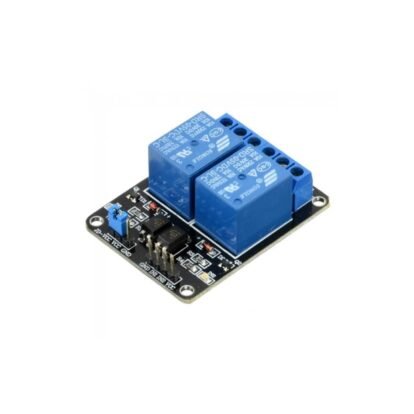
This board plays perfectly with an expansive ecosystem of breakout modules. Whether you are interfacing a 4-channel relay board, ultrasonic proximity sensors, I2C LCD displays, or standard servo motors, the standard pinout configuration makes integration completely plug-and-play.
Real-World Applications for Makers and Engineers
The true power of this development board lies in its absolute versatility. Because it is completely open-source, thousands of code libraries are freely available online, allowing you to deploy it across a vast array of technical applications:
- Smart Home Automation: Interface with temperature sensors, IR receivers, and relay modules to automate household lighting, fans, and security locks.
- Robotics & Motion Control: Act as the main controller brain for line-following robots, robotic arms, obstacle-avoiding cars, and motorized camera sliders.
- Industrial IoT Prototyping: Build preliminary sensor telemetry devices to monitor industrial machinery data before deploying full-scale commercial setups.
- Custom Test & Measurement Tools: Design digital voltmeters, frequency counters, or automated component checkers for your electronics workbench.
Why Choose the Rudr Mart UNO R3 Board?
When sourcing components for critical projects, reliability is everything. Our UNO R3 Development Board is manufactured with premium, high-grade circuit traces and flawless soldering finishes. This ensures long-term thermal stability, pristine signal isolation across all analog tracks, and headers that won’t loosen after repeated jumper wire insertions. It comes pre-flashed with the standard bootloader, ensuring that your very first “Blink” sketch uploads smoothly without requiring external hardware programmers.
Frequently Asked Questions (FAQ)
Do I need an external programmer to use this board?
No. Thanks to the onboard USB-to-serial communication chip, you simply plug the board directly into your computer using a standard USB cable to upload code.
Can this board power multiple heavy-duty motors directly?
While the board can supply logic signals and low current (up to 40mA per pin), high-draw loads like DC motors, stepping motors, or heavy relays should always be powered by an external power supply via a driver module to prevent damaging the microcontroller.
| Weight | 0.25 kg |
|---|---|
| Dimensions | 5.5 × 5.5 × 2.5 cm |
Reviews
There are no reviews yet.