
Sale!Hot
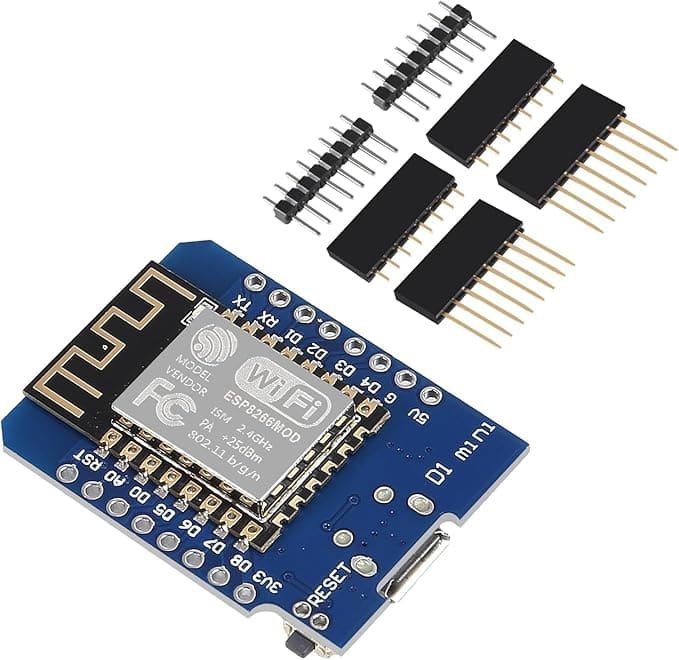

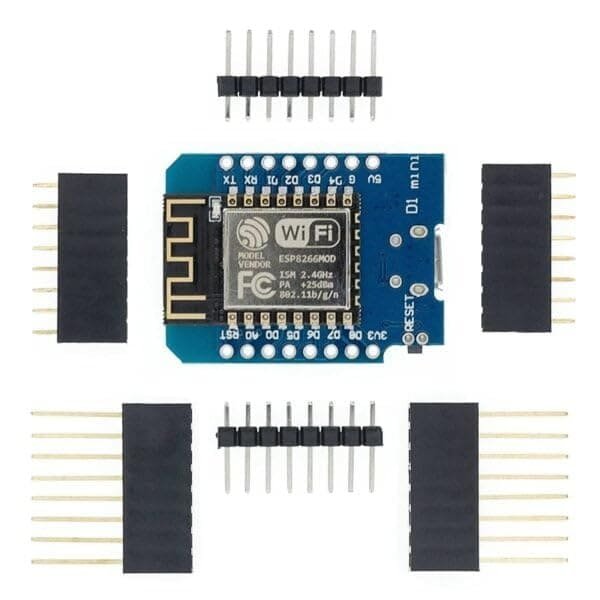
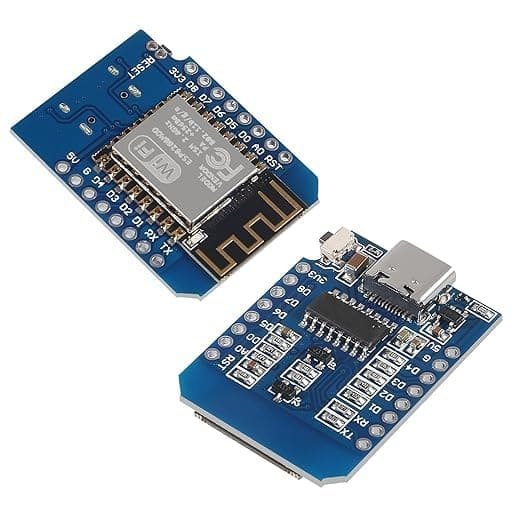
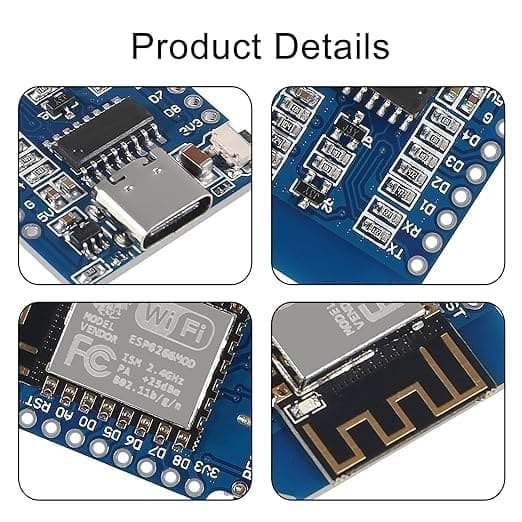
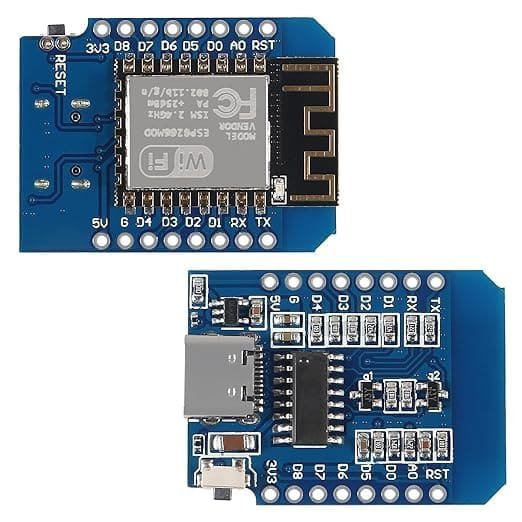
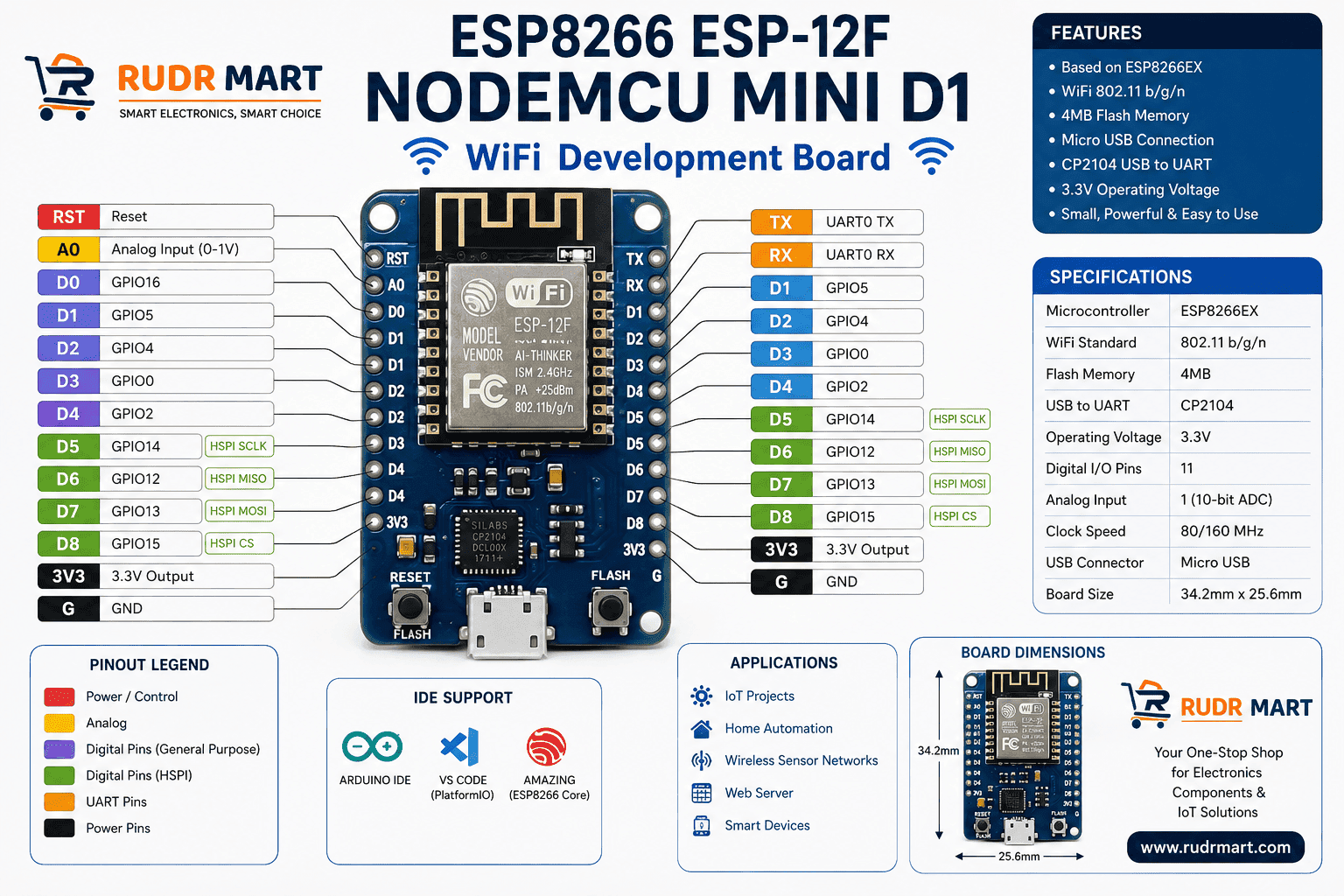
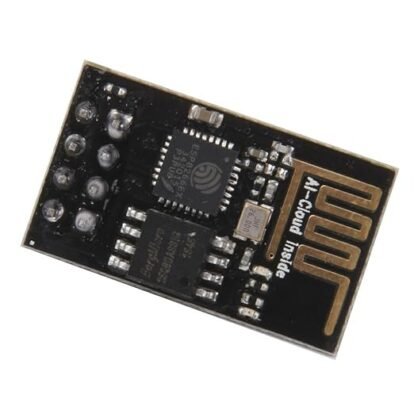
ESP8266 ESP-12F NodeMCU Mini D1 WiFi Development Board
₹465.00Current price is: ₹465.00. Original price was: ₹619.00.
2 in stock
Add to cart
Buy Now

You may also like…
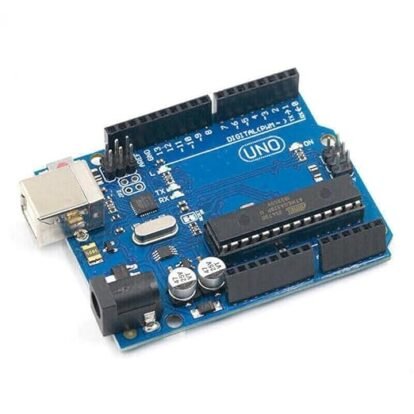
UNO R3 for Arduino ATmega16U2 USB Microcontroller
₹665.00Current price is: ₹665.00. Original price was: ₹1,716.00.Sale!Hot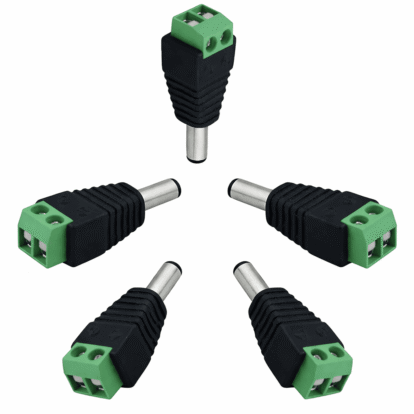
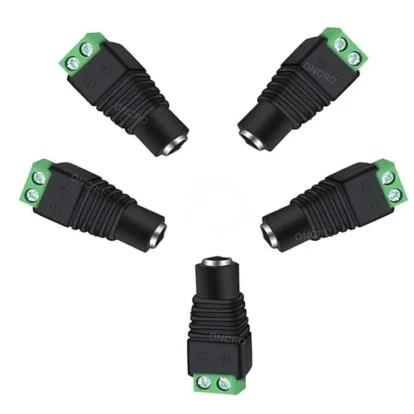
2.1×5.5mm Male DC Power Jack Adapter (5-Pack)
₹249.00Current price is: ₹249.00. Original price was: ₹349.00.Sale!Hot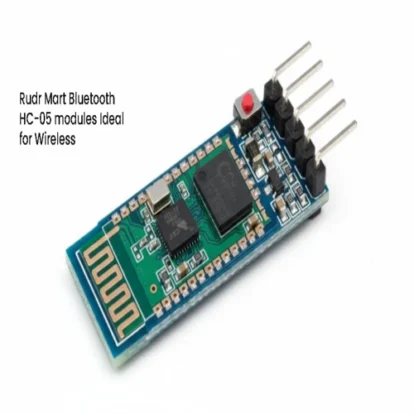
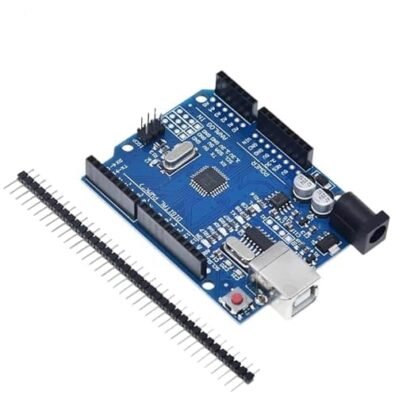
UNO R3 SMD Development Board
₹445.00Current price is: ₹445.00. Original price was: ₹1,500.00.Sale!Hot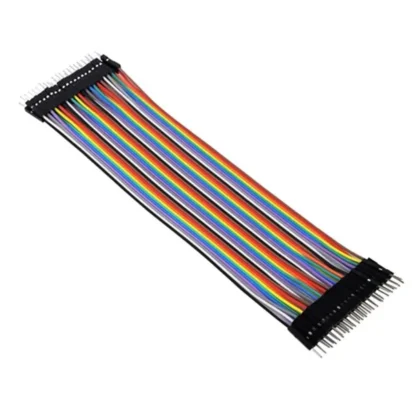
Male to Male Jumper Wires 40 Pin Dupont Cable
₹201.00Current price is: ₹201.00. Original price was: ₹365.00.Sale!Premium ESP8266 ESP-12F NodeMCU Mini D1 WiFi Development Board – Powerful IoT Solution
The ESP8266 ESP-12F NodeMCU Mini D1 WiFi Development Board is a compact and high-performance microcontroller designed for Internet of Things (IoT), home automation, robotics, wireless monitoring, and embedded system development. Powered by the advanced ESP8266EX chipset and integrated ESP-12F WiFi module, this development board delivers reliable wireless connectivity, powerful processing capabilities, and flexible programming options for beginners and professional developers alike.
With built-in 2.4GHz WiFi, 4MB Flash memory, multiple GPIO interfaces, and compatibility with Arduino IDE, NodeMCU Lua, and MicroPython, the board provides an ideal platform for creating smart connected devices and automation systems.
Key Features of ESP8266 ESP-12F NodeMCU Mini D1
- Integrated ESP8266EX processor with ESP-12F WiFi module
- Built-in 2.4GHz WiFi connectivity
- 32-bit processor running at 80MHz/160MHz
- 4MB Flash memory for firmware and data storage
- Compact Mini D1 form factor
- Breadboard-friendly design
- Onboard Micro USB interface
- Multiple GPIO pins for external devices
- Supports PWM, I2C, SPI, UART, and ADC
- Compatible with Arduino IDE, Lua, and MicroPython
- Integrated PCB antenna for stable wireless communication
- Low power consumption for IoT applications
Why Choose ESP8266 ESP-12F NodeMCU Mini D1?
The ESP8266 ESP-12F NodeMCU Mini D1 combines wireless networking and microcontroller functionality on a single compact board. Unlike traditional development boards that require external WiFi modules, this board includes native wireless connectivity, reducing project complexity and cost.
Its compact size makes it perfect for embedded applications where space is limited while still providing enough processing power for advanced IoT and automation projects.
Technical Specifications
| Specification | Details |
|---|---|
| Module | ESP-12F |
| Chipset | ESP8266EX |
| Processor | 32-bit RISC Processor |
| Clock Speed | 80MHz / 160MHz |
| Flash Memory | 4MB |
| WiFi Standard | IEEE 802.11 b/g/n |
| Antenna | Integrated PCB Antenna |
| GPIO Pins | Multiple Digital I/O |
| Analog Input | 1 ADC |
| Communication Protocols | UART, SPI, I2C, PWM |
| USB Interface | Micro USB |
| Operating Voltage | 3.3V |
| Programming Support | Arduino IDE, Lua, MicroPython |
Applications
Smart Home Automation
Build WiFi-enabled switches, lighting systems, appliance controllers, and smart monitoring devices.
IoT Sensor Networks
Create wireless temperature, humidity, air quality, and environmental monitoring systems.
Robotics Projects
Control motors, sensors, displays, and communication modules in robotics and STEM projects.
Remote Monitoring Systems
Develop cloud-connected monitoring solutions for homes, farms, offices, and industrial applications.
Wireless Data Logging
Collect and transmit sensor data to online dashboards, cloud servers, or mobile applications.
Easy Development and Programming
The ESP8266 ESP-12F NodeMCU Mini D1 WiFi Development Board supports multiple development platforms, making it suitable for both beginners and advanced developers.
Supported Platforms
- Arduino IDE
- NodeMCU Lua
- MicroPython
- PlatformIO
Programming is simple through the onboard Micro USB interface, allowing direct firmware uploads and serial communication without requiring additional hardware.
Compact Mini D1 Design
The Mini D1 form factor is designed for projects where space is important. Its compact layout allows easy integration into custom enclosures, portable devices, smart sensors, and embedded systems while maintaining excellent wireless performance.
Frequently Asked Questions
What is the ESP8266 ESP-12F NodeMCU Mini D1 used for?
It is commonly used for IoT devices, home automation systems, wireless sensor networks, robotics projects, and cloud-connected applications.
Does the board have built-in WiFi?
Yes, the board includes an integrated ESP-12F WiFi module with a built-in PCB antenna.
Is it compatible with Arduino IDE?
Yes, it is fully compatible with Arduino IDE after installing the ESP8266 board package.
Can beginners use this development board?
Yes, the board is beginner-friendly and supported by a large community with extensive tutorials and libraries.
What programming languages are supported?
The board supports Arduino C/C++, NodeMCU Lua, and MicroPython.
Related Products
Explore our range of IoT Modules, ESP8266 Development Boards, ESP32 Boards, Relay Modules, Sensors, and Robotics Components to build complete automation and wireless communication projects.
For learning resources:
Why Buy from Rudr Mart?
Rudr Mart offers quality-tested electronics, IoT modules, robotics components, sensors, and development boards for students, makers, educational institutions, and professional developers. The ESP8266 ESP-12F NodeMCU Mini D1 provides an excellent combination of performance, wireless connectivity, and compact design for your next innovation.

Reviews
There are no reviews yet.